196 myths · Page 6 of 7
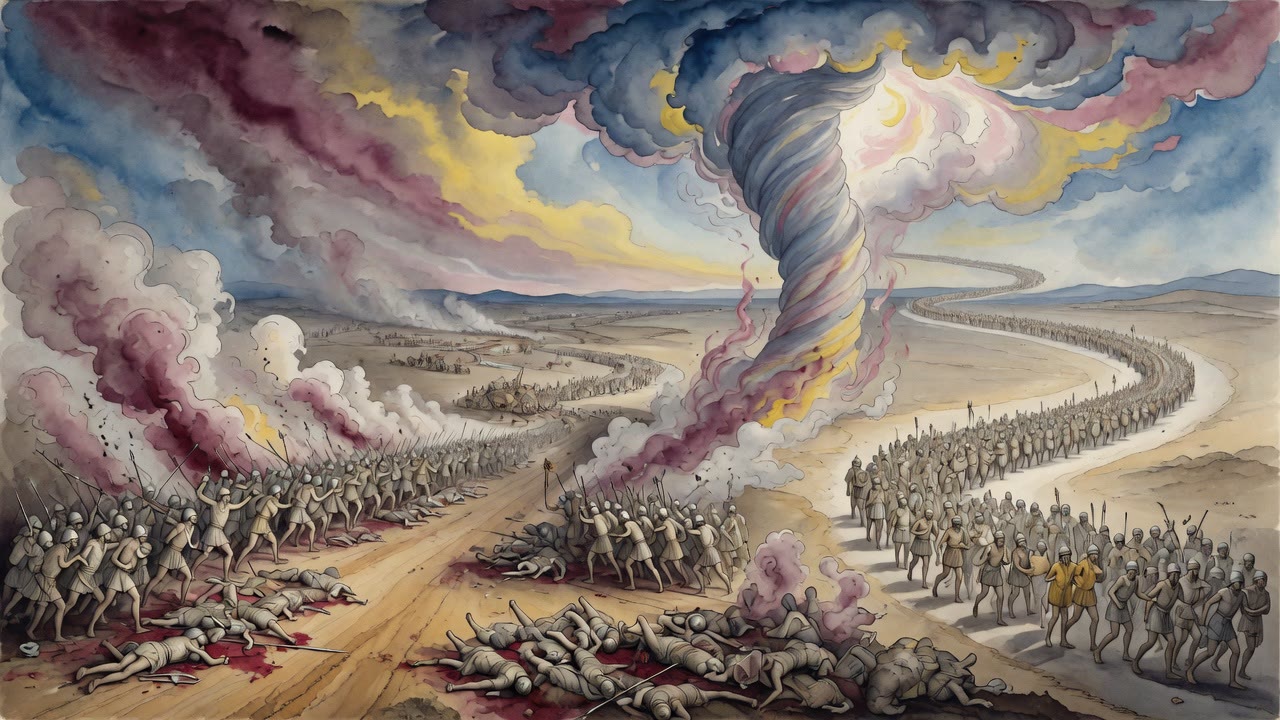
A boy pointed at a shorter ridge and was told no. Behind that no lay a hundred eighty thousand archers who counted the end too soon.
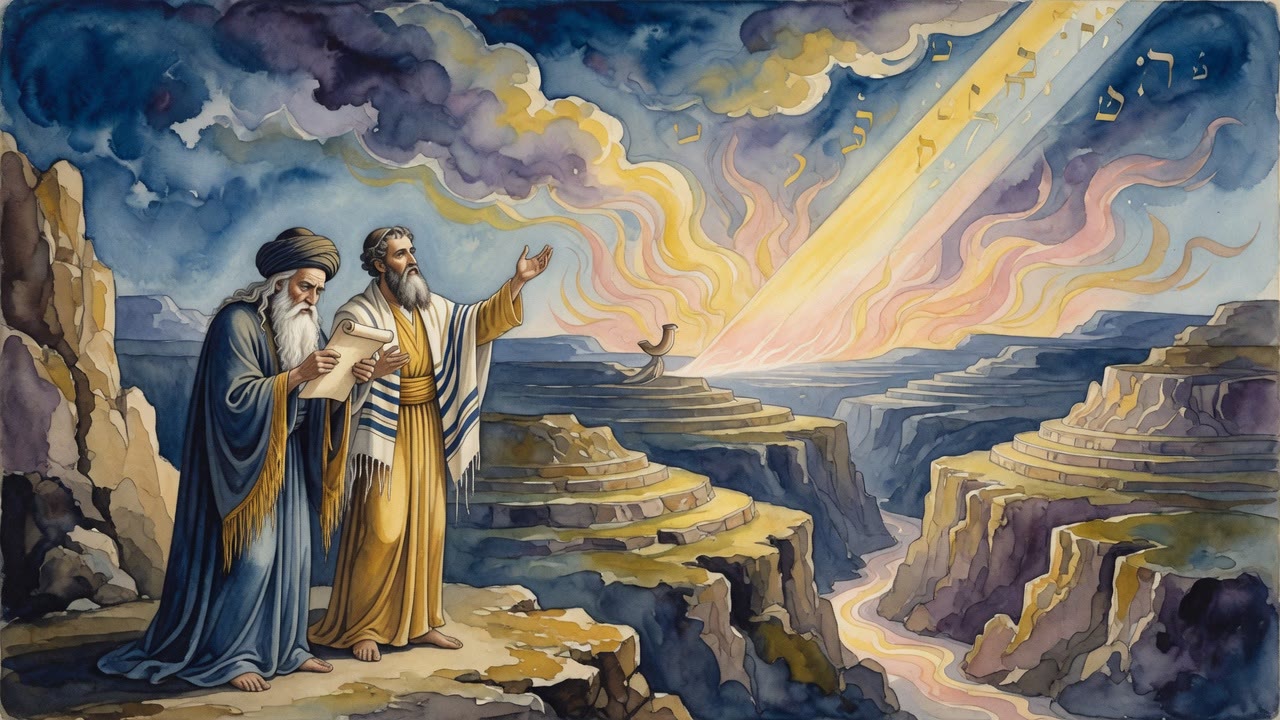
The scroll had to sit against his face now. In the valley of Arbel the first seam of light still climbed the ridge, slow and thin.
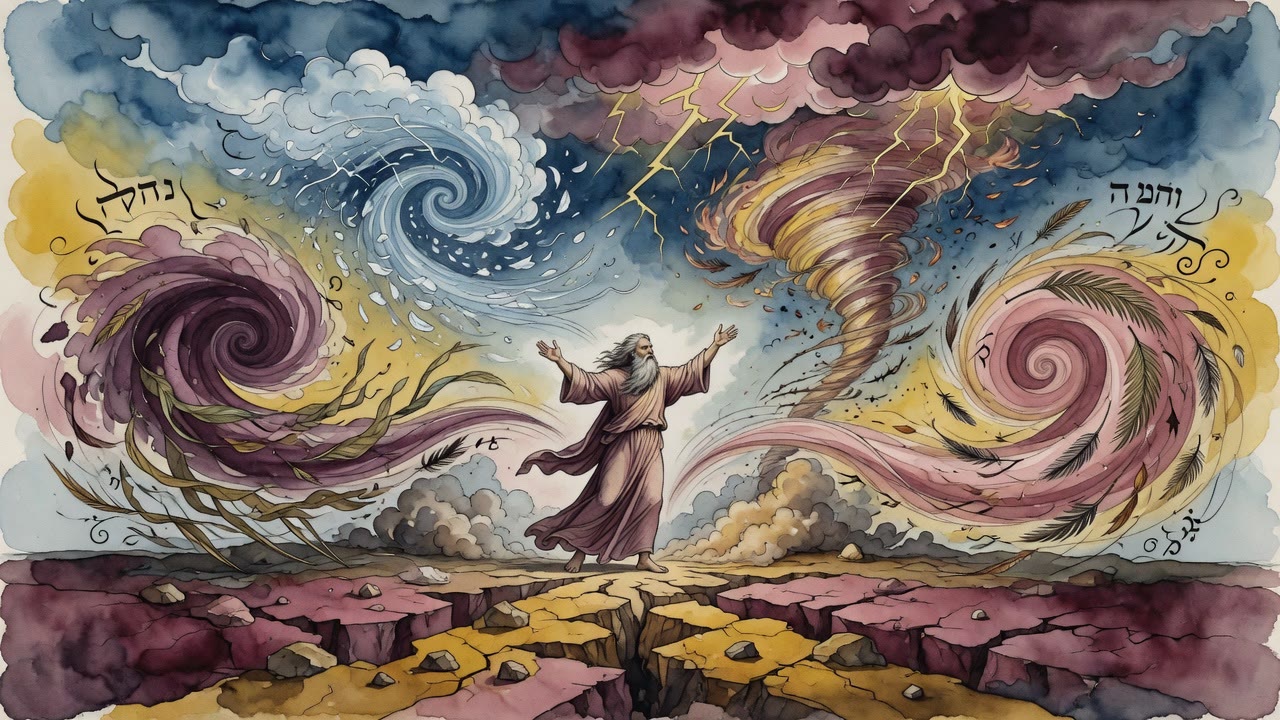
The priest asked for a son at the gate. The father named the small one still in school, the boy who sat over a verse.
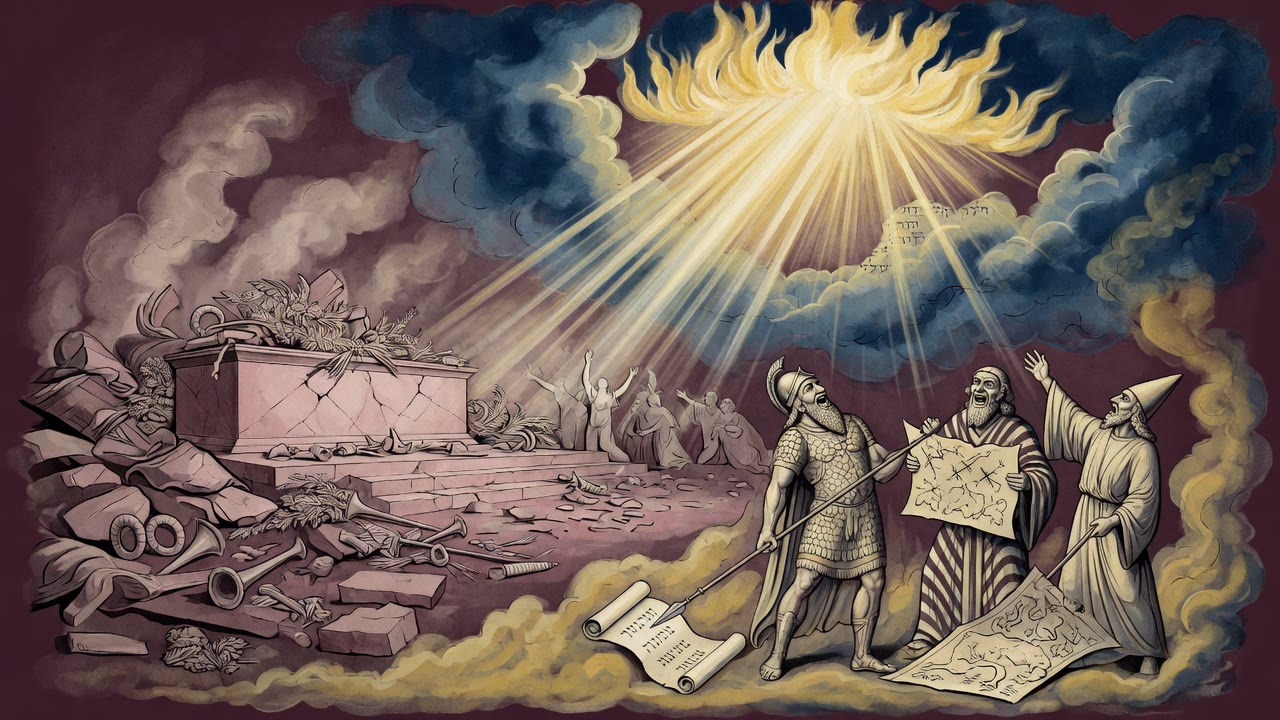
In the age to come every offering falls silent except thanksgiving. Meanwhile each enemy of Israel mocks the last failed plan and forgets the Patron above.
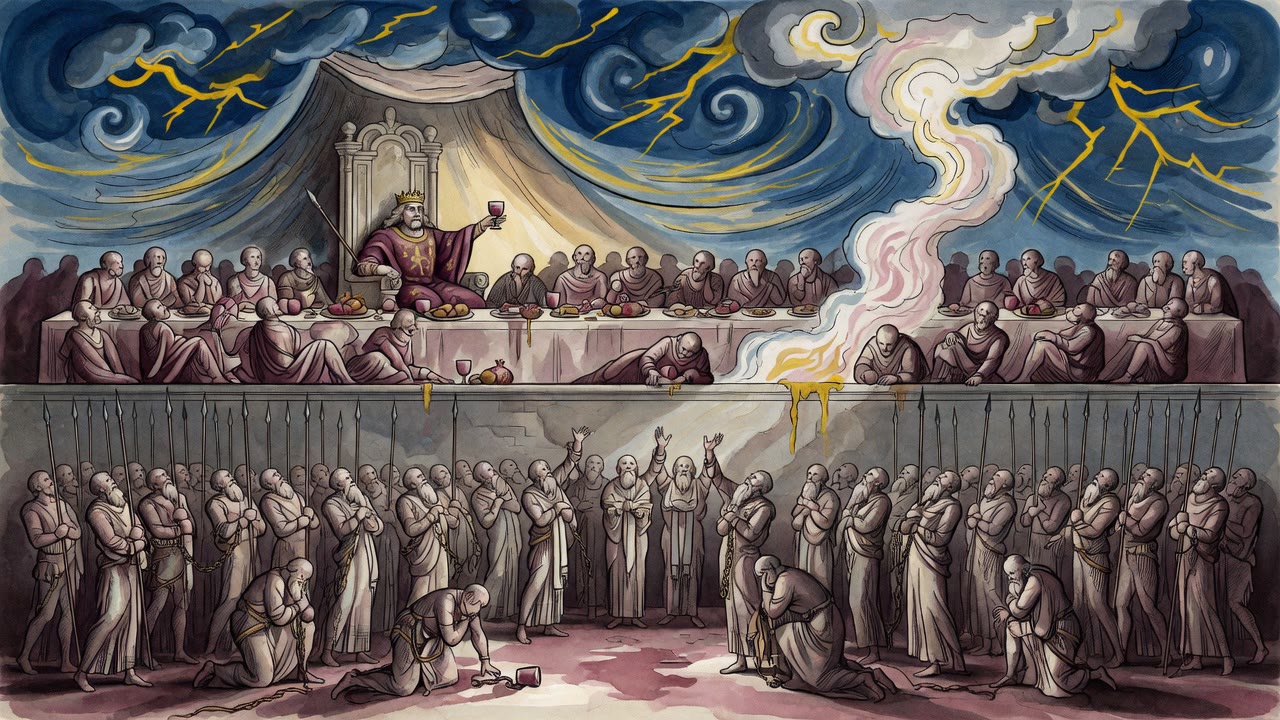
A childless couple of Sidon comes for a bill of divorce. Rabbi Shimon sends them to feast first, and she chooses the only treasure that matters.
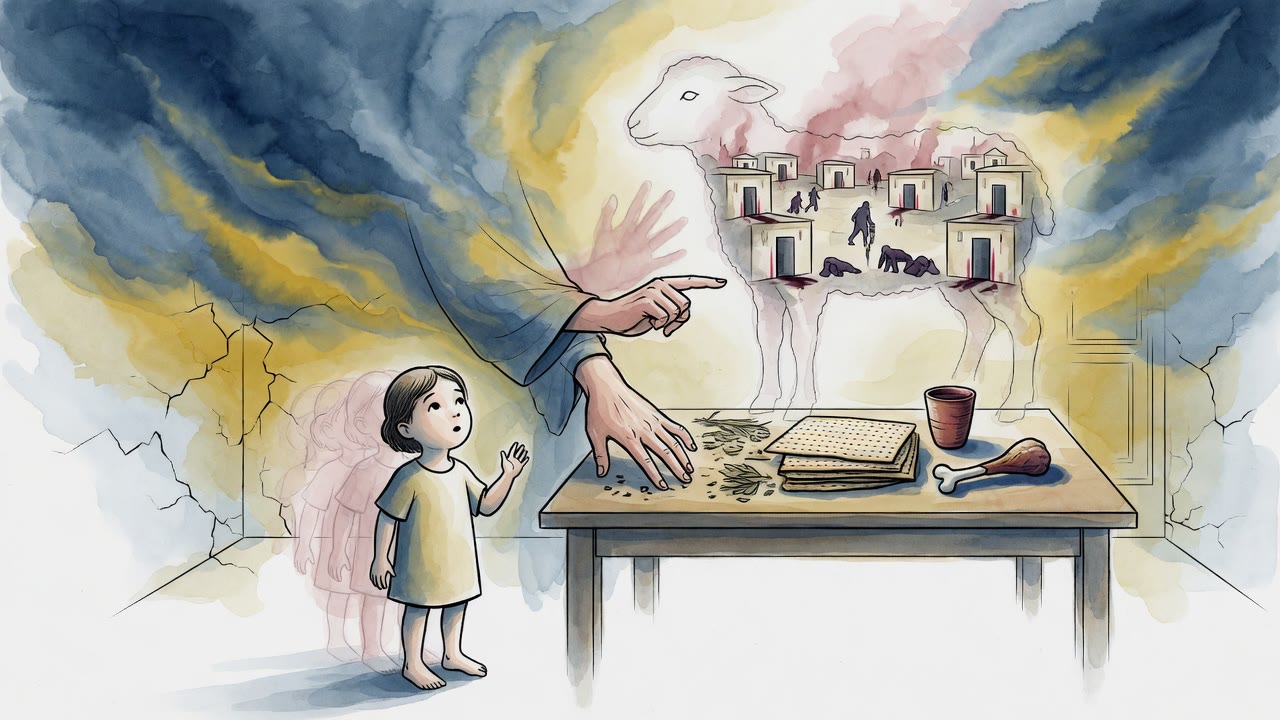
When a child asks what the Passover means, the house remembers both future questions and the many who never left Egypt alive.
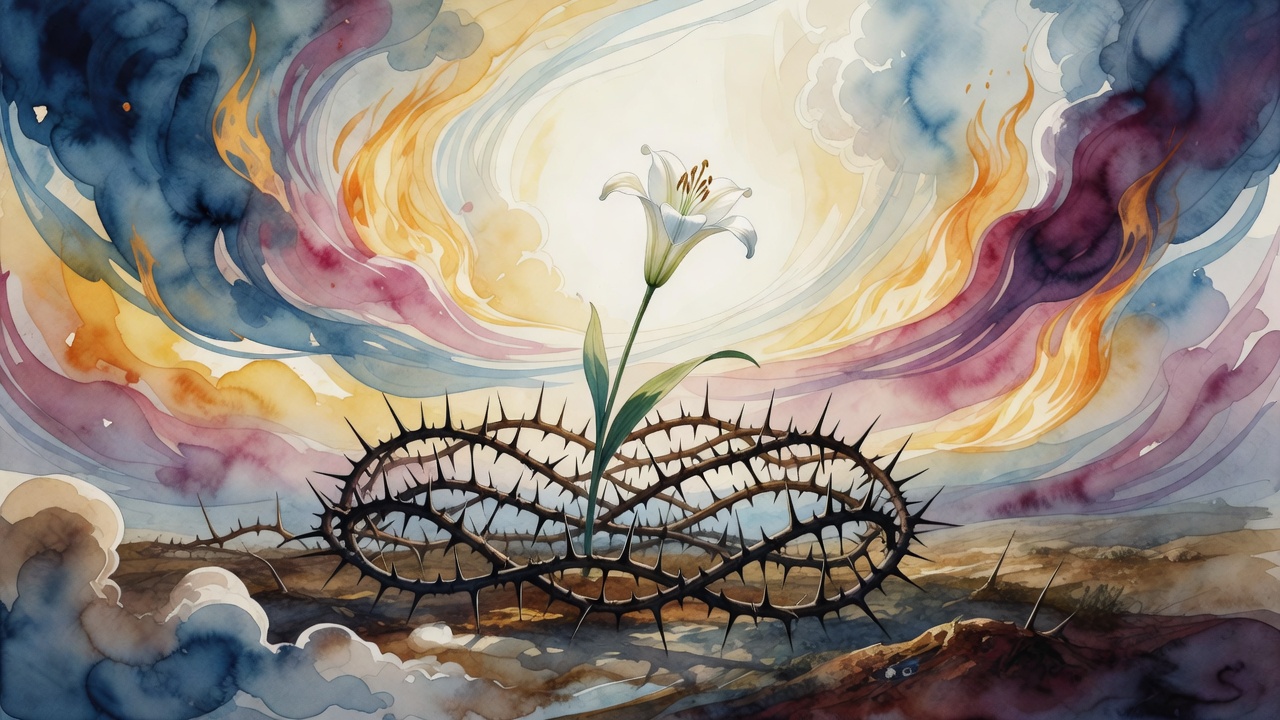
The north wind bent the flower until the thorns bit the stem. The stalk still pointed up. A tax collector's knock did the same work.
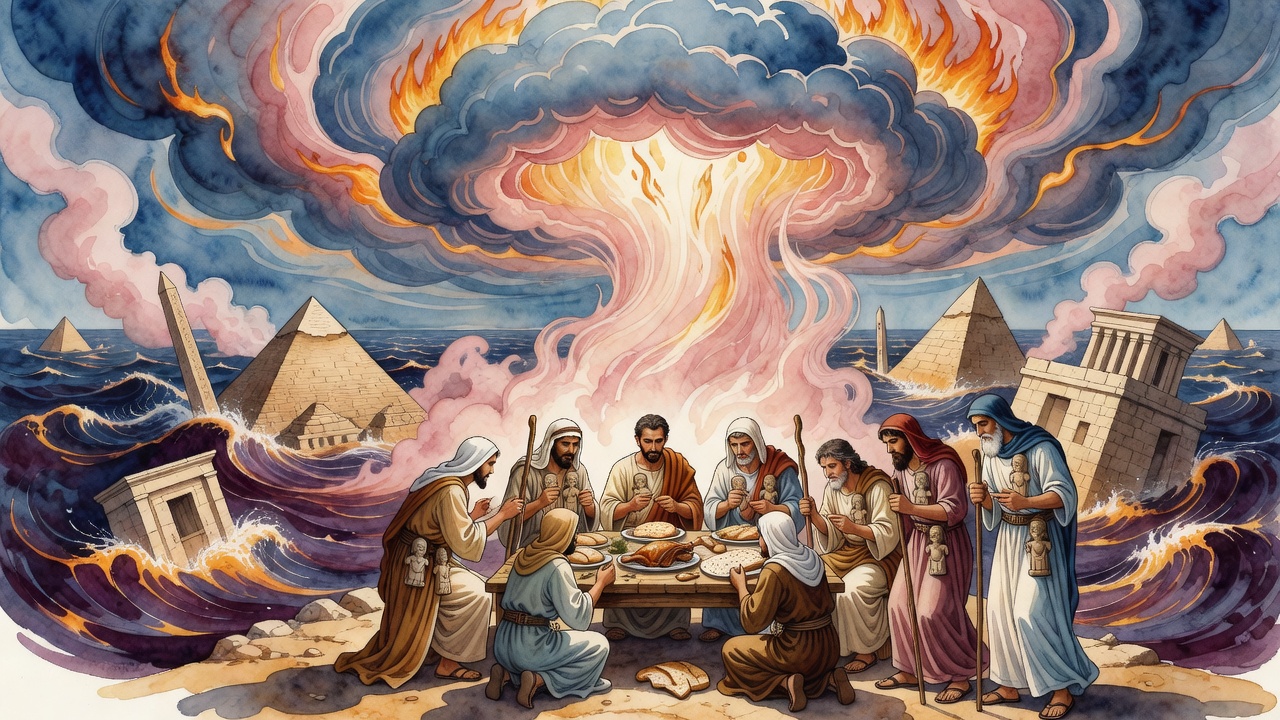
Israel ate Passover with loins girded and staff in hand, packed before the door opened. God redeemed a people still clutching idols while Egypt sank like stone.
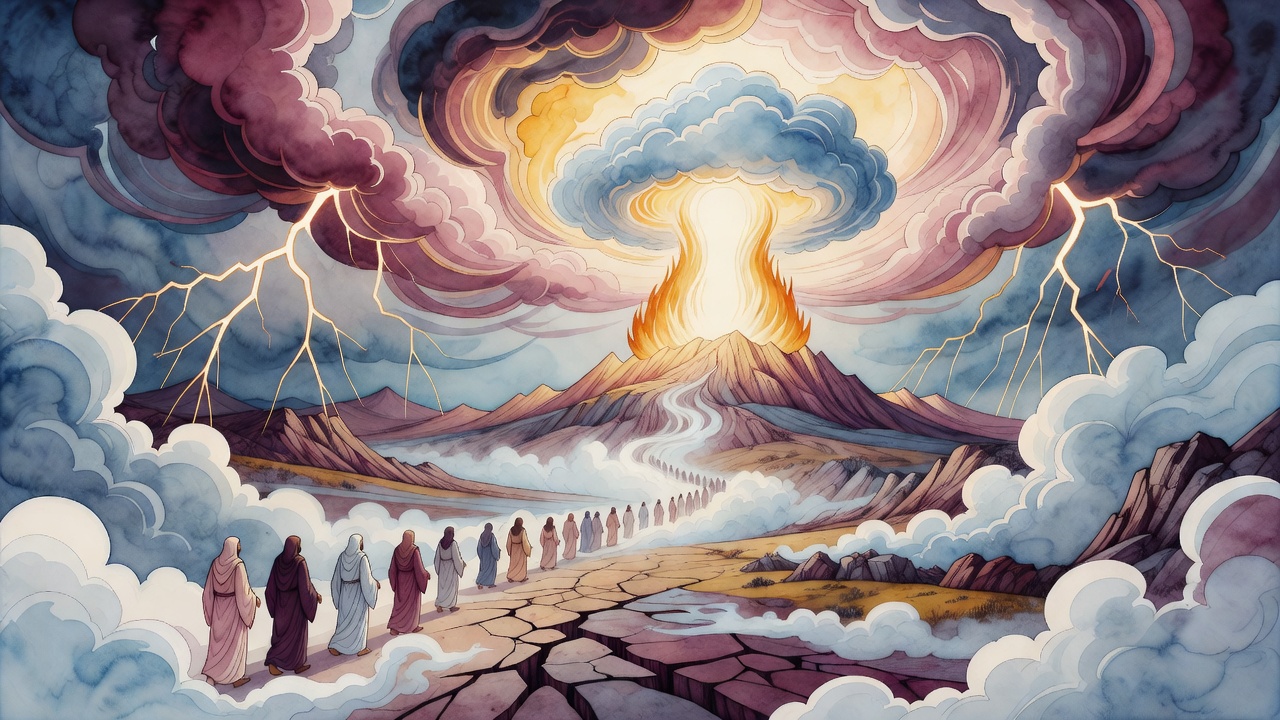
Thunder, quake, and cloud will answer again in Jerusalem. From the sea they were led in mercy toward the mountain of the holy Shekhinah, the Divine Presence.
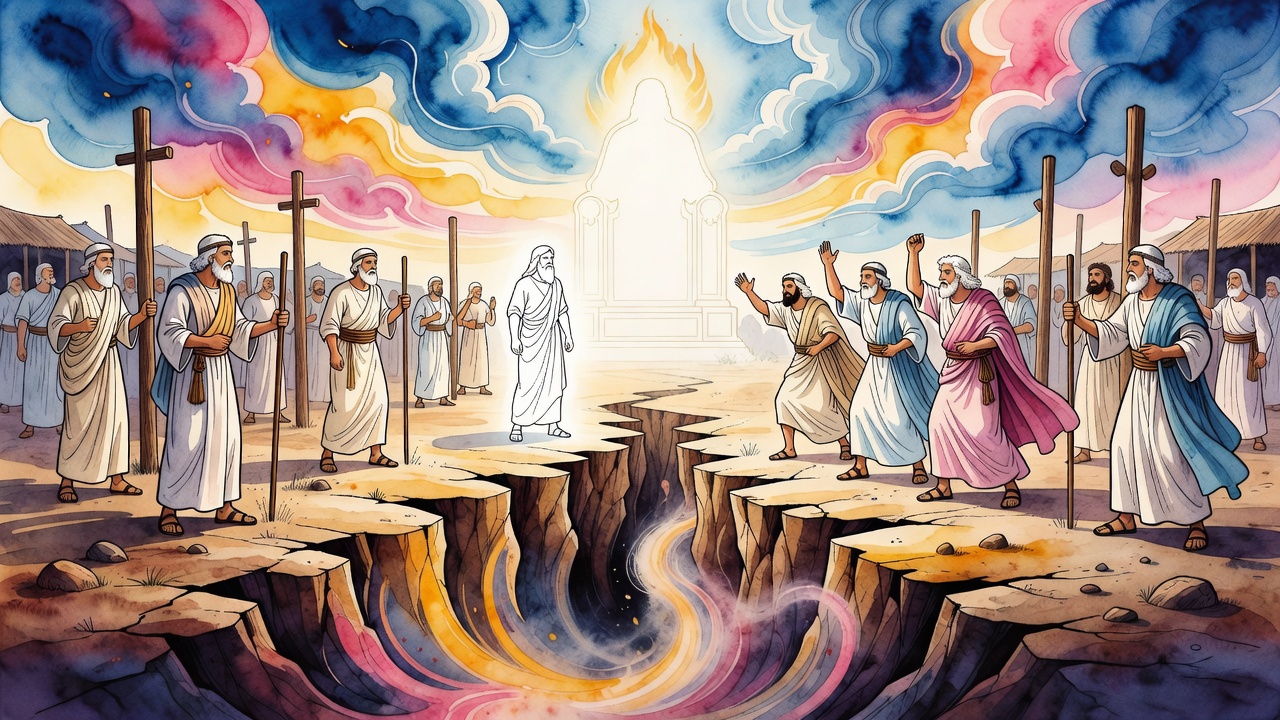
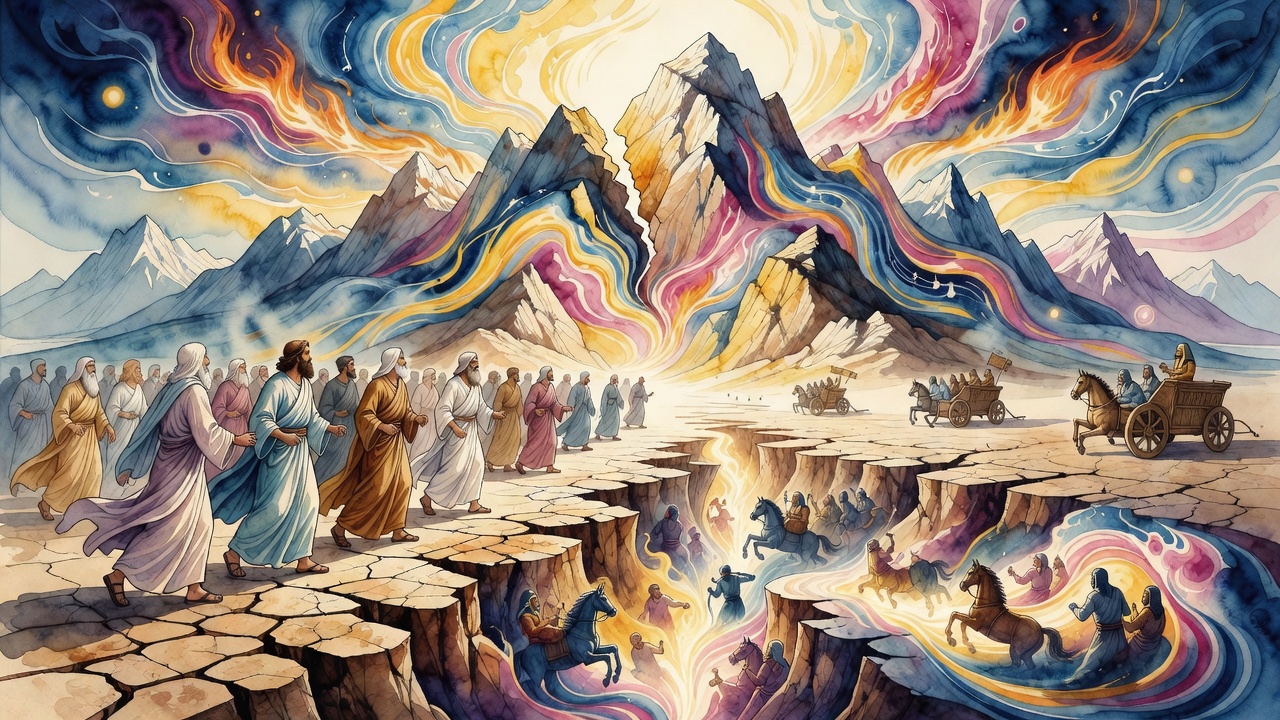
At the water jars they asked why it was always his face at the tent door. The ground opened, and mothers pulled their children back from the crack.
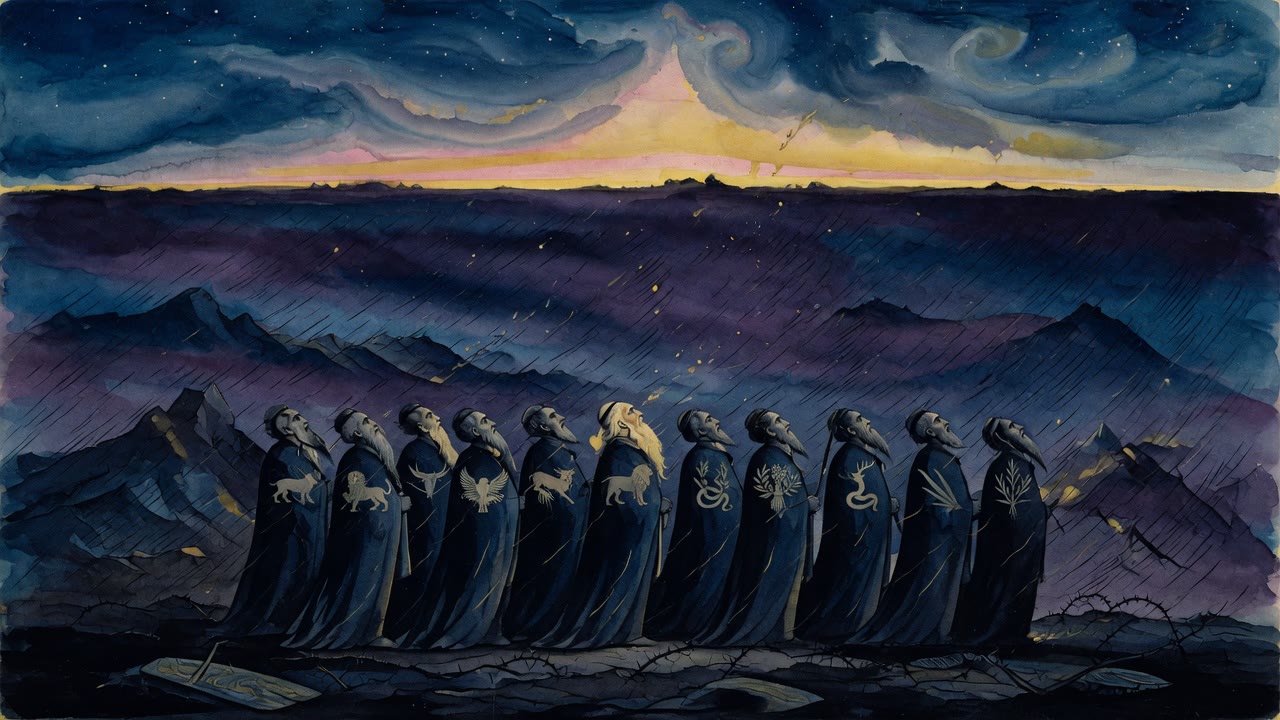
Rabbi Akiva said the ten tribes passed like a day that never returns. Rabbi Eliezer said night always tips toward dawn, and exile is that kind of dark.
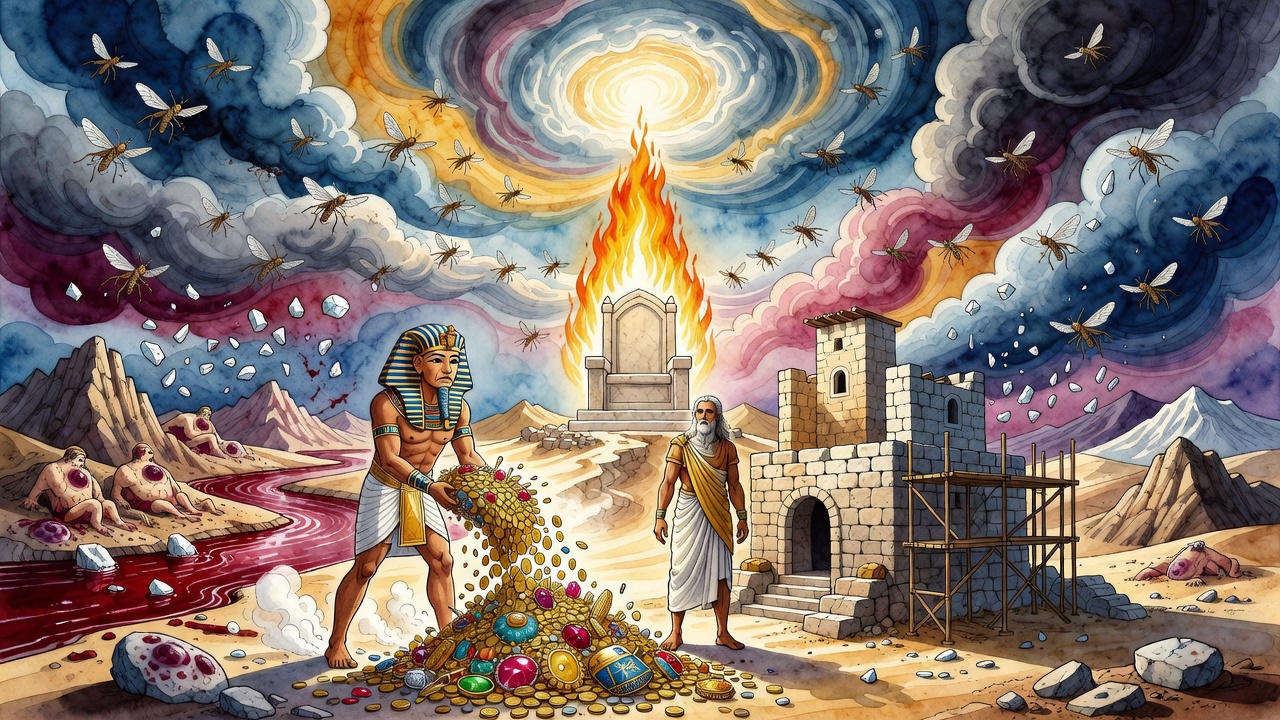
The seller stood in the market and could not swallow. His cheap field had become a palace, and the retinue now belonged to someone else.
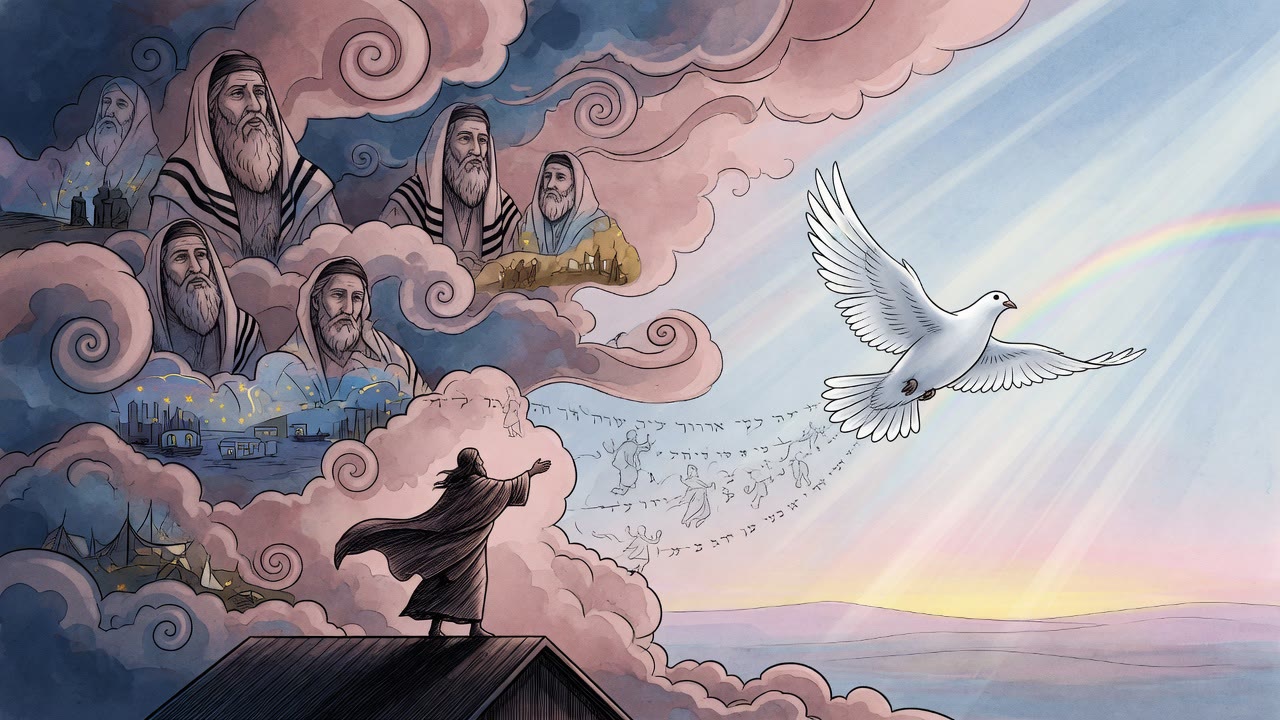
Noah waited at the empty window until he understood. The dove had found ground. She would not need the ark again.
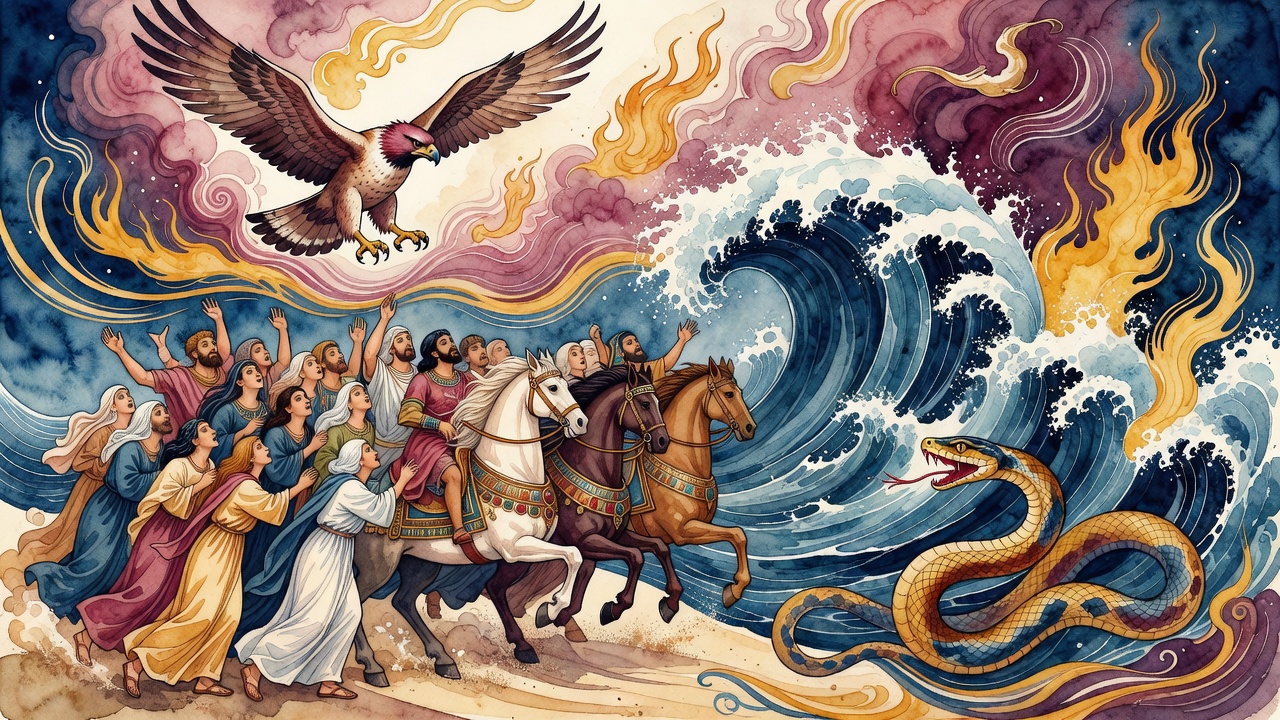
Pharaoh's jeweled horses pressed from behind while the sea rose ahead, and Israel cried out like a dove boxed between hawk and snake.
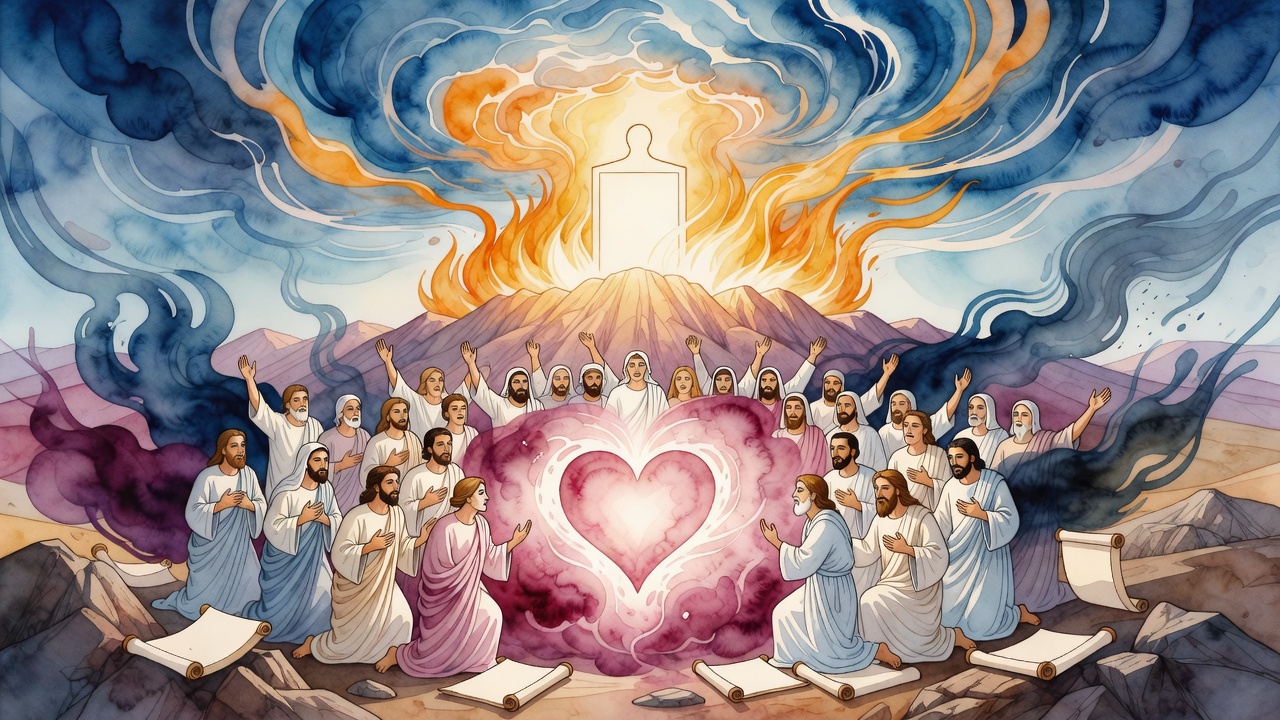
When Israel heard God directly, Torah stuck in the heart and the evil urge fled. They asked for Moses instead, and both gifts began to fade.
Six hundred thousand people walked out of Egypt and not one of them said the word first. A Midianite priest arrived weeks later and said it.
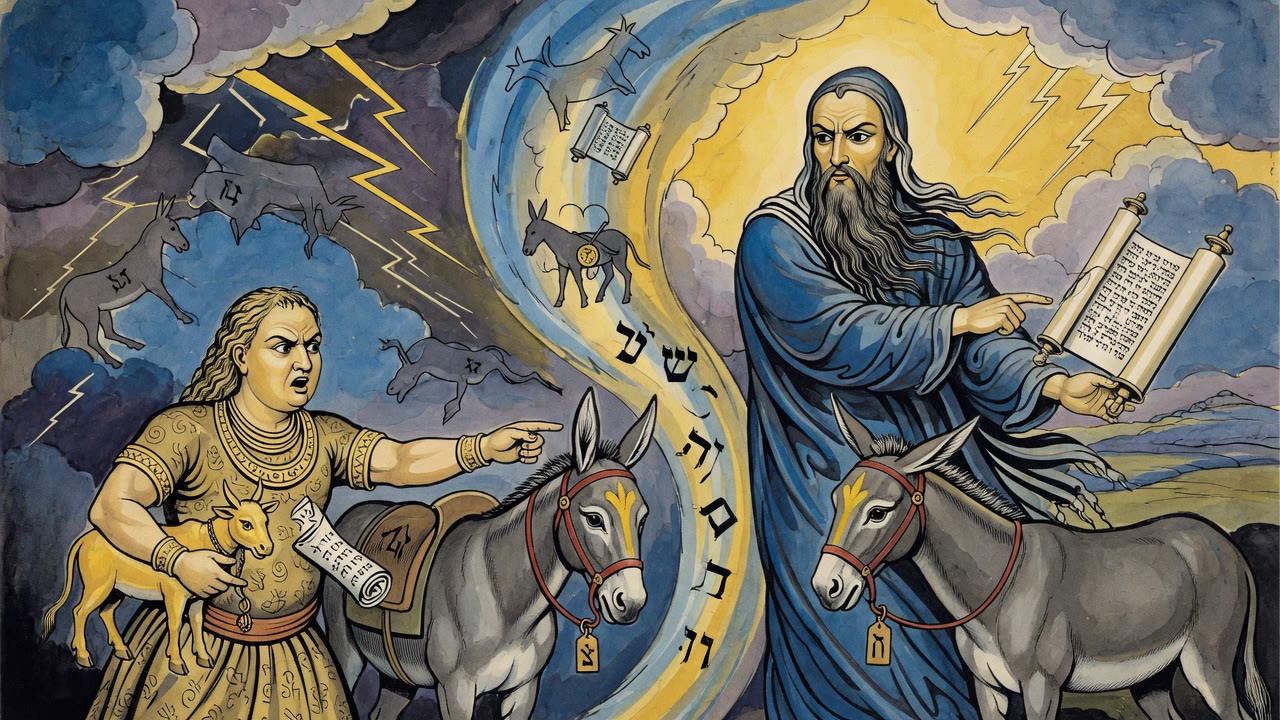
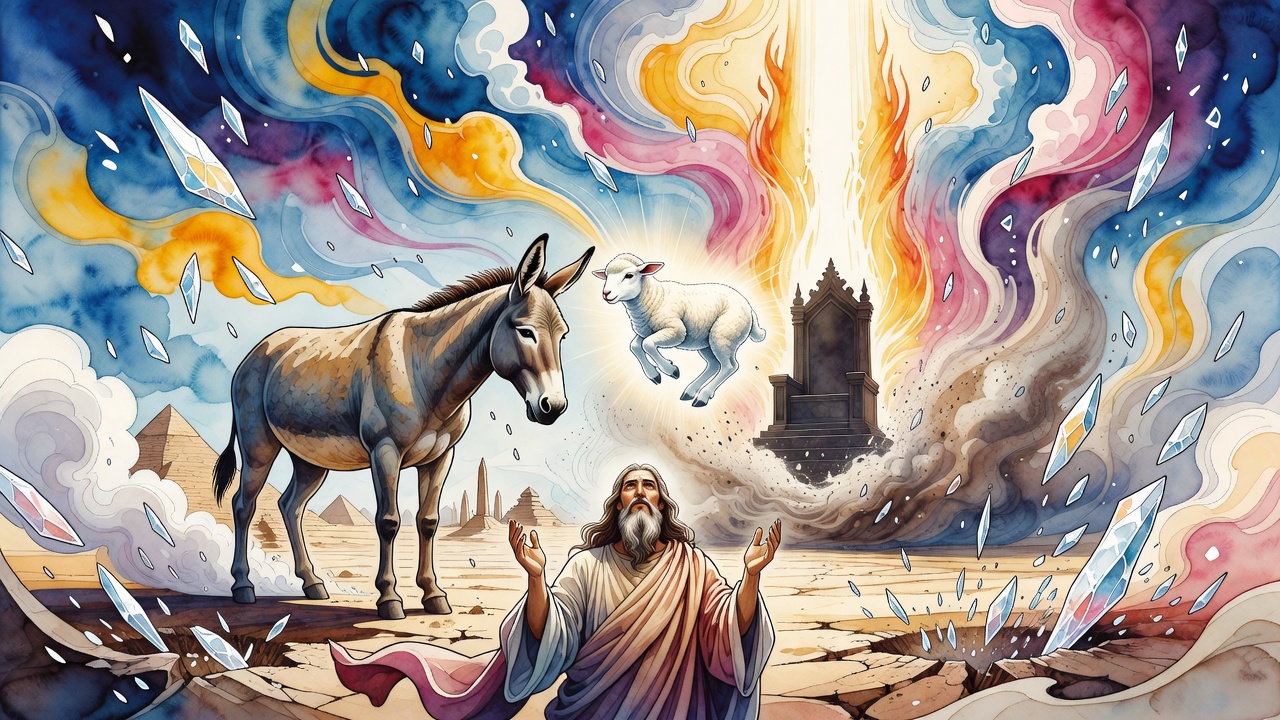
The crowd wanted a stumble. He asked what redeems a firstborn donkey. Rabbi Meir named a lamb and let the verse stand in the open.
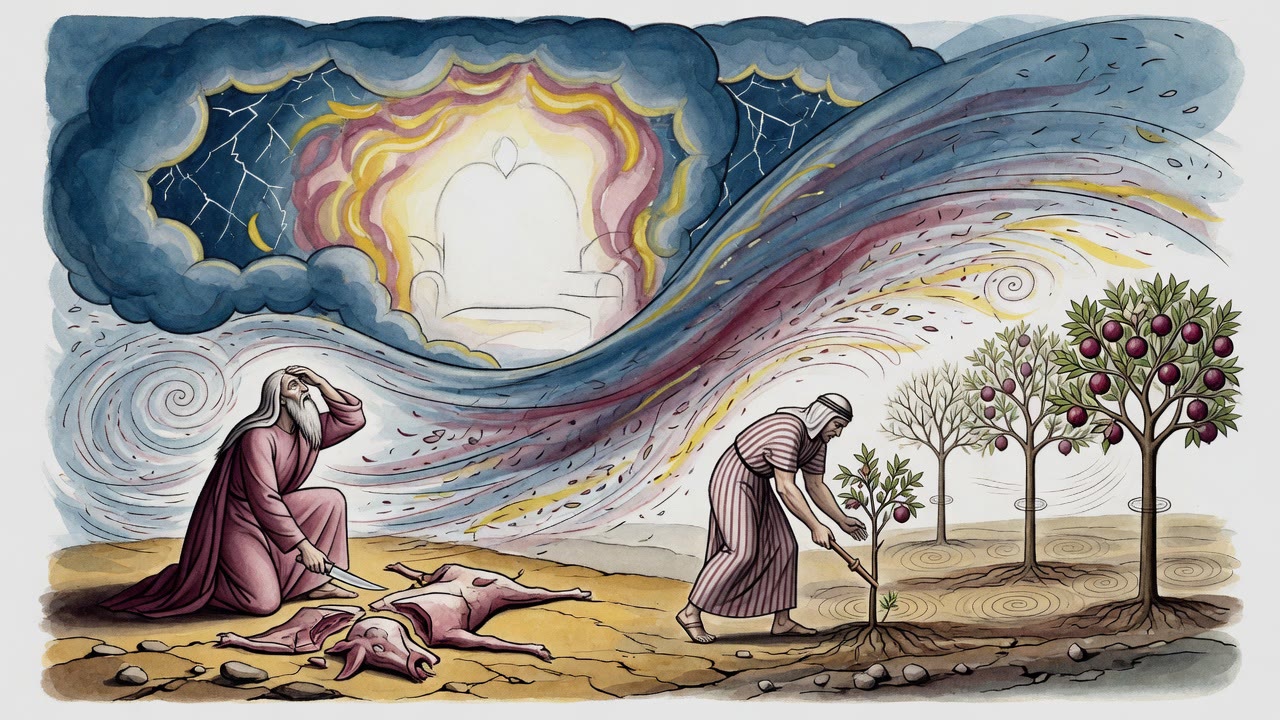
When Canaan heard Israel was coming, axes rose against every orchard. God turned the people into the desert and let the land relearn how to grow.
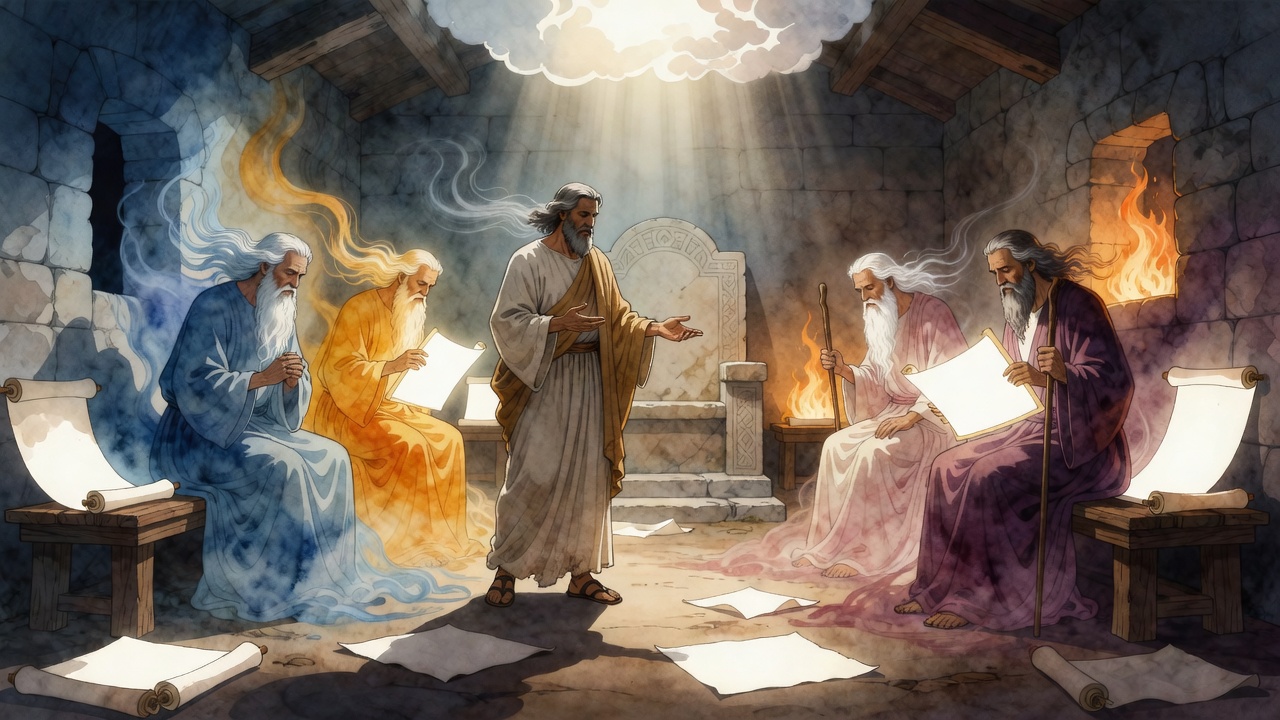
Elijah came late to Rabbi Judah's study house. He had been washing Abraham's hands, then Isaac's, then Jacob's, never all three at once.
His calves ached inside the ring and his throat went dry. The answer came as a rebuke. You called on Me, God said, and did not wait for Me.
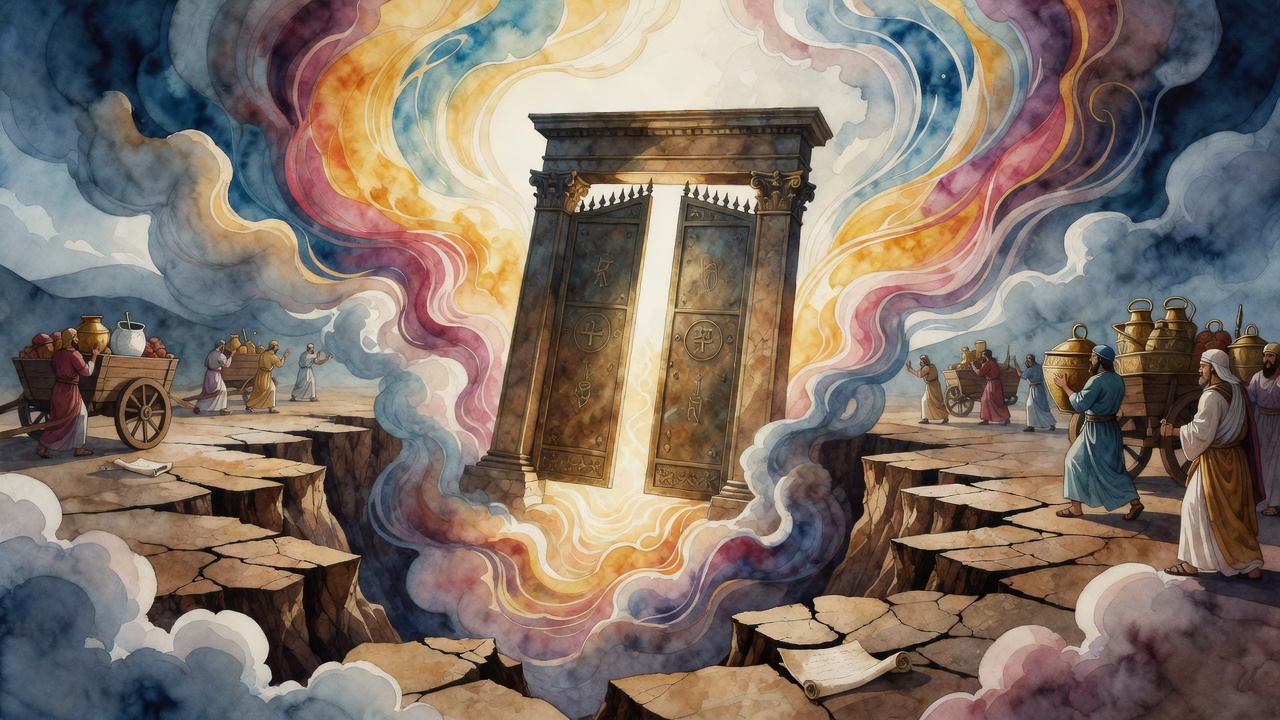
The gold left at midday. When the soldiers came back with chains for the doors, the courtyard had nothing left to tie them to.
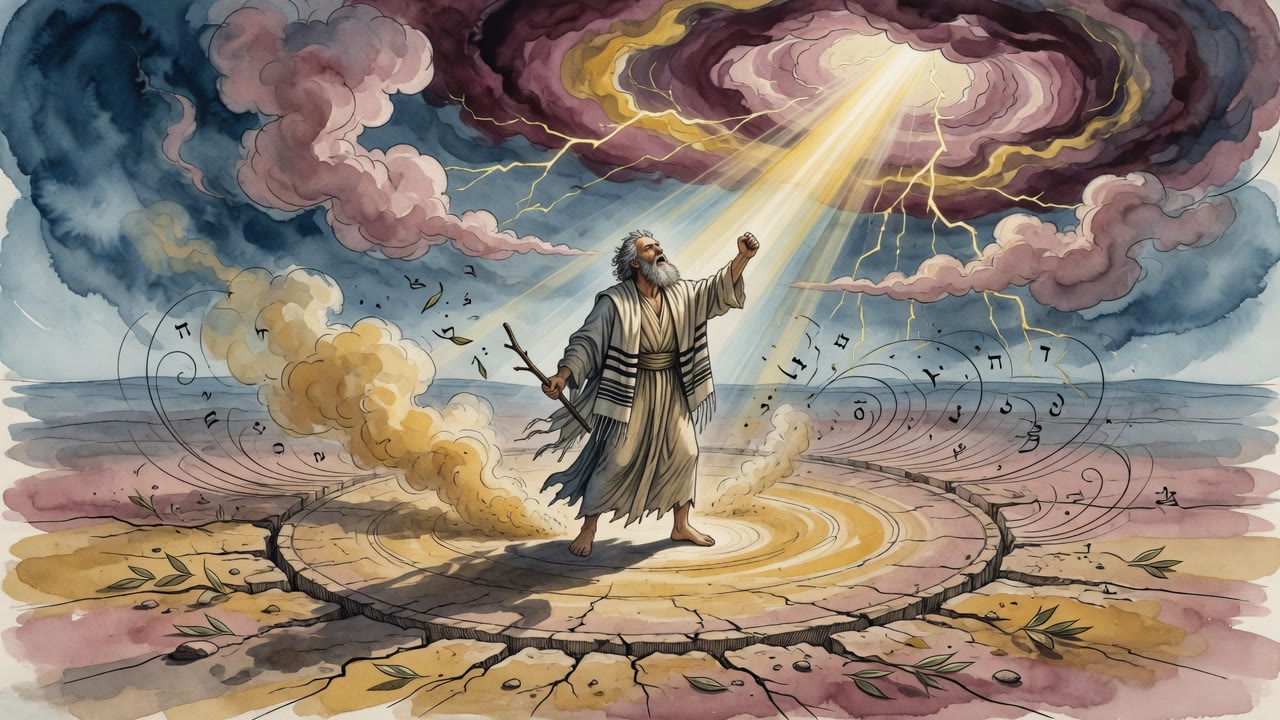
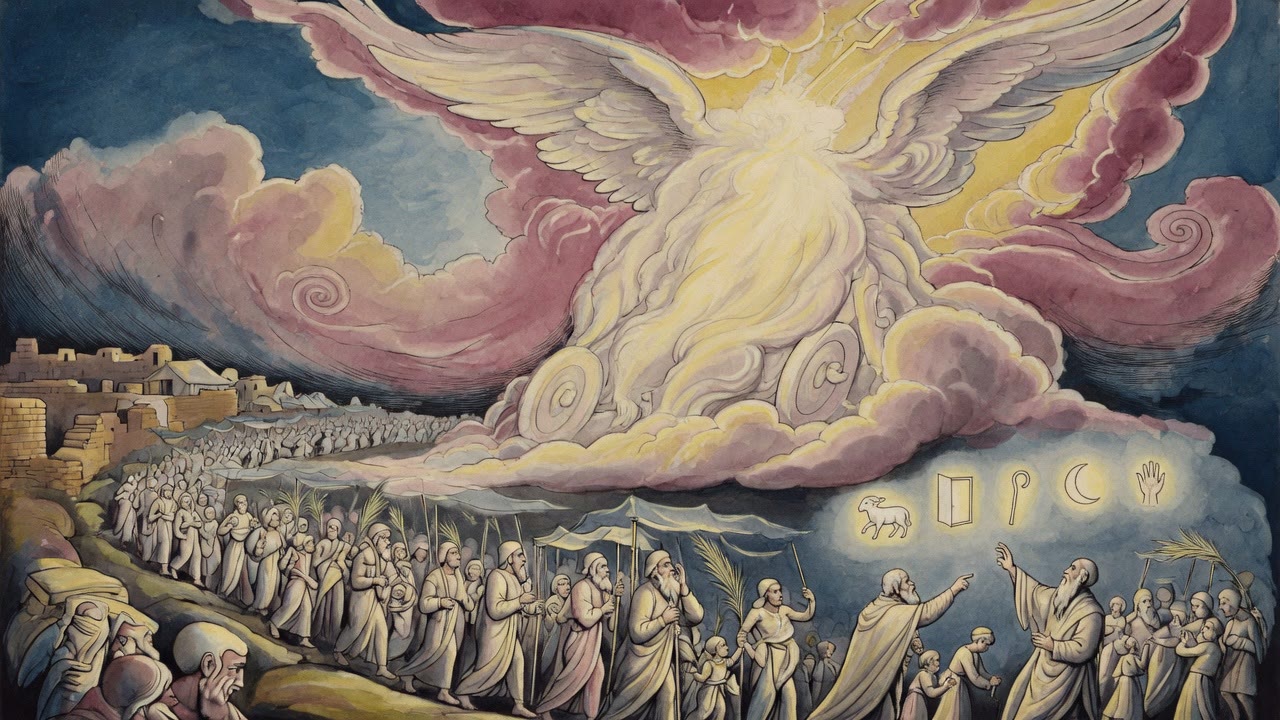
Israel left Succoth under more than weather. Rabbi Akiva heard booths of glory while Rabbi Elazar named five conditions of redemption.
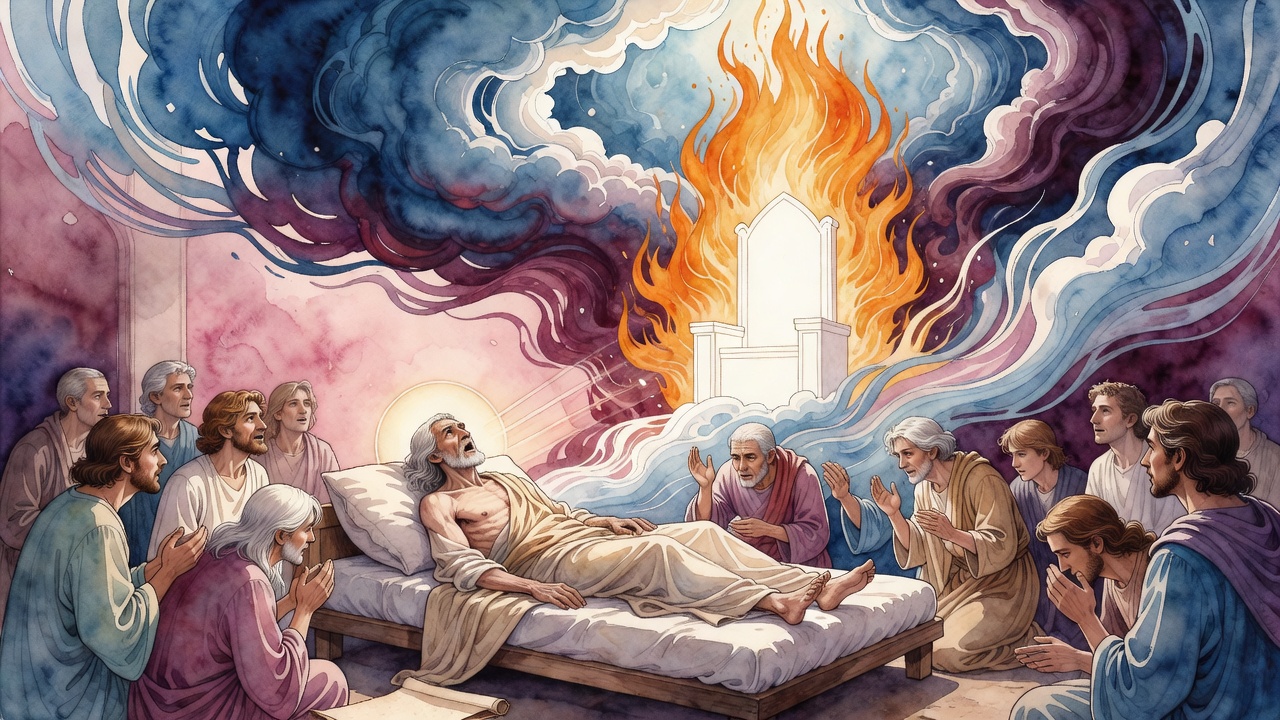
Joseph leaned closer, waiting for a date from his father. Jacob's eyes were clear. The hour of the End sat on his tongue and would not move.

Over bare mountains God turns a gemmed ring, and sparks dress the land in holiness that exile later tries to shake out.
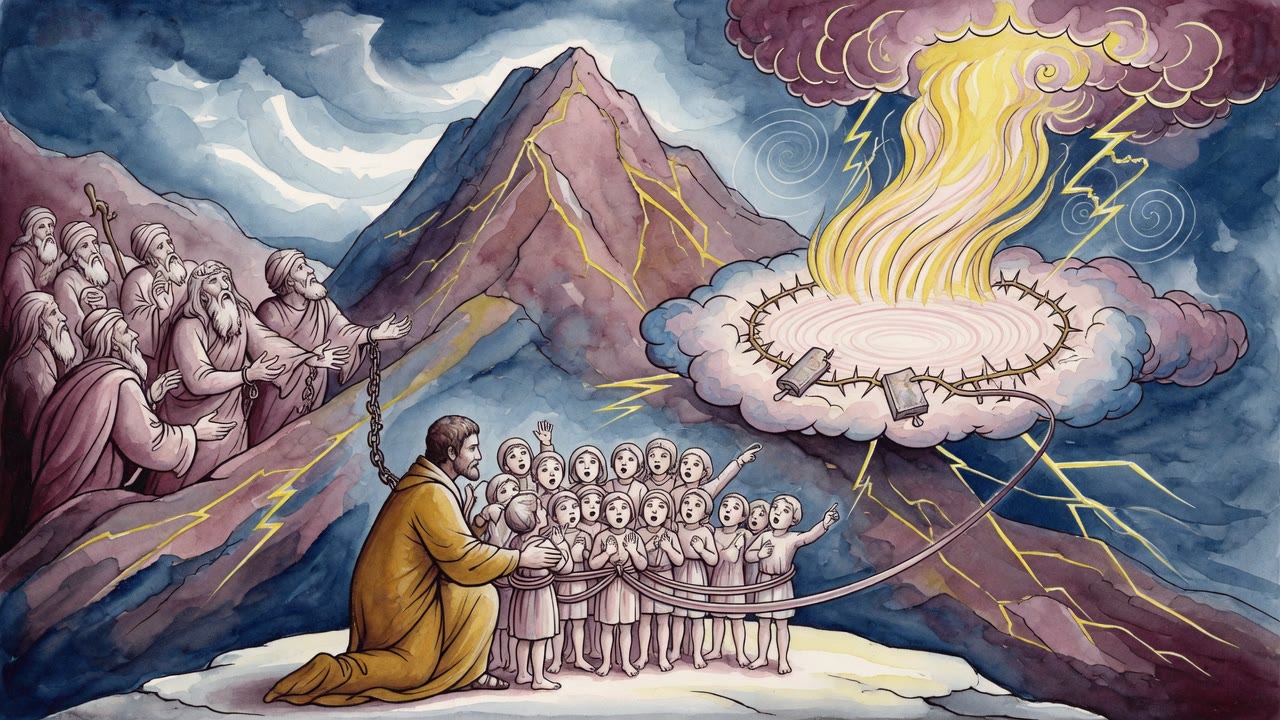
The Egyptian woman opened the chest and did not look up. By morning the gold sat crooked on a sleeping child's hair, and the chest was empty.
Moses walked the brick-dust lanes with one line: at about midnight. Children watched the brothers pass, men who no longer bent at every Egyptian shout.
Aaron watched a basket float away on the Nile once and could do nothing about it. Now the sea had closed and he was still staring at water.
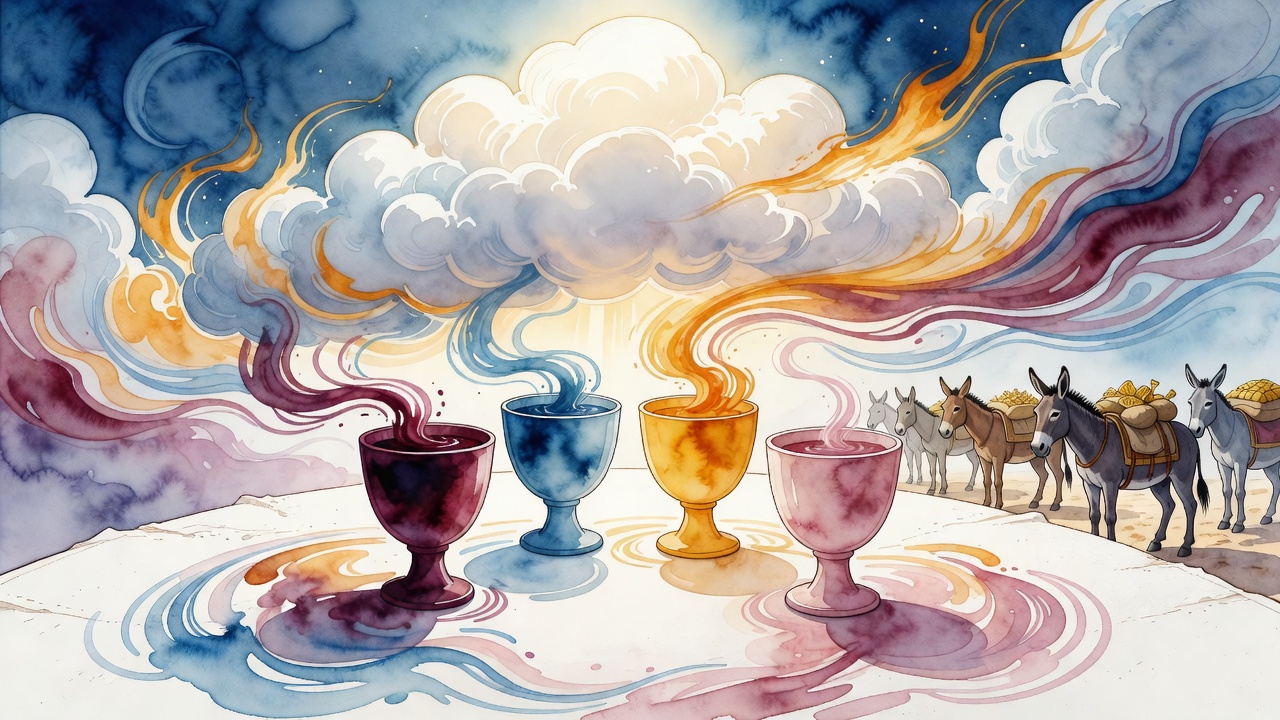
Brick still sat on their necks when four verbs arrived. Bring out. Deliver. Save. Judge. Free hands would pour them later.
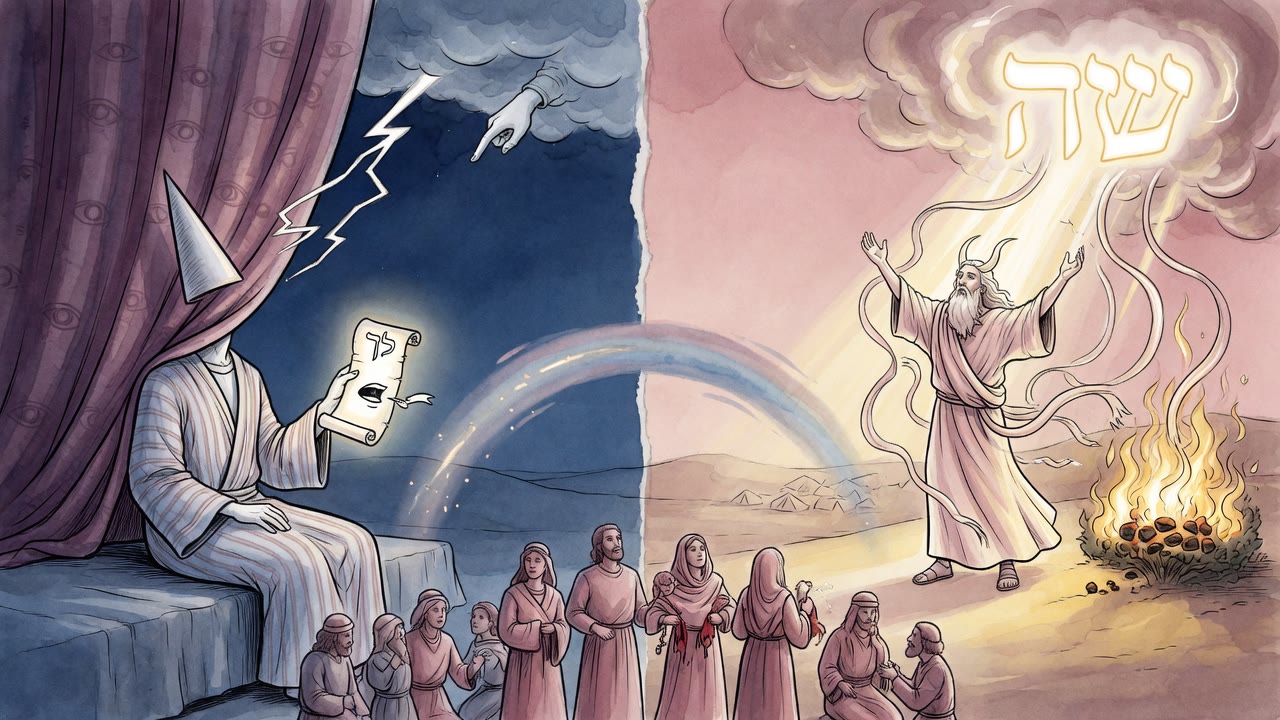
At night behind a curtain Bilam receives a clipped encounter, while Moses is called by day, and Israel learns which redemption ends shame.
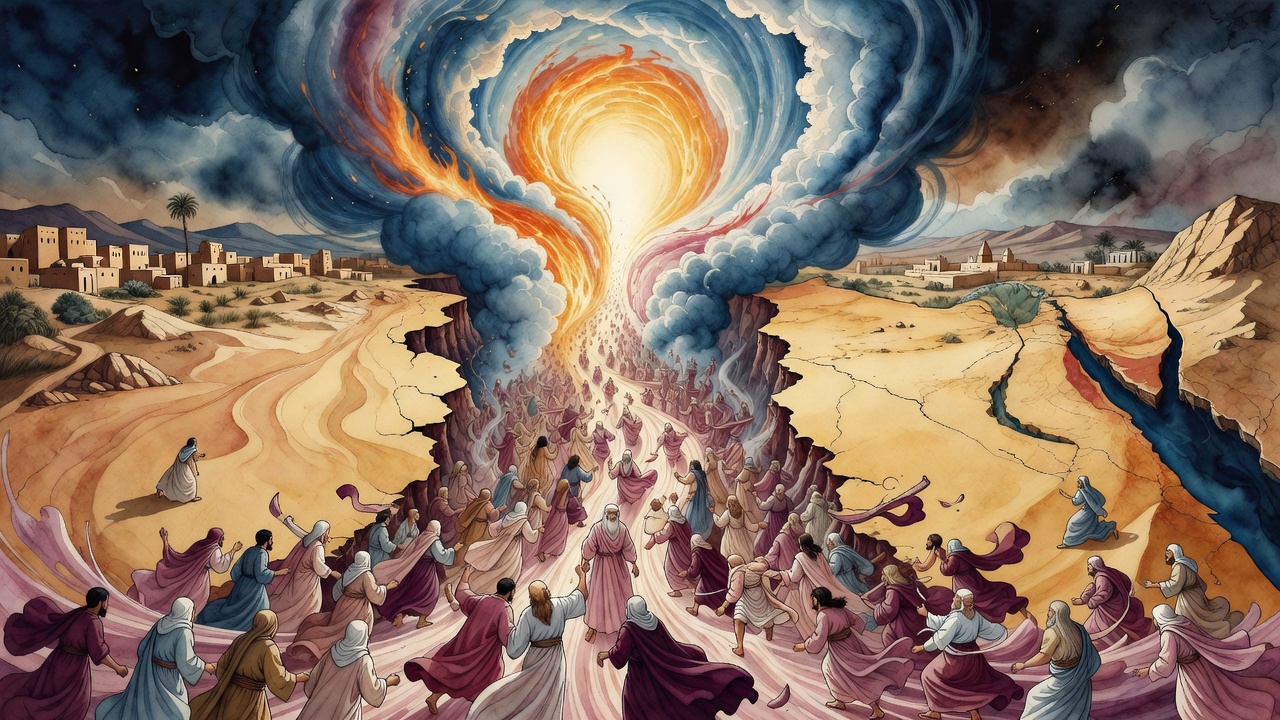
Egypt and Israel looked the same until the night God tore one people out of the other and began a new calendar from the rescue.
