120 myths · Page 4 of 4
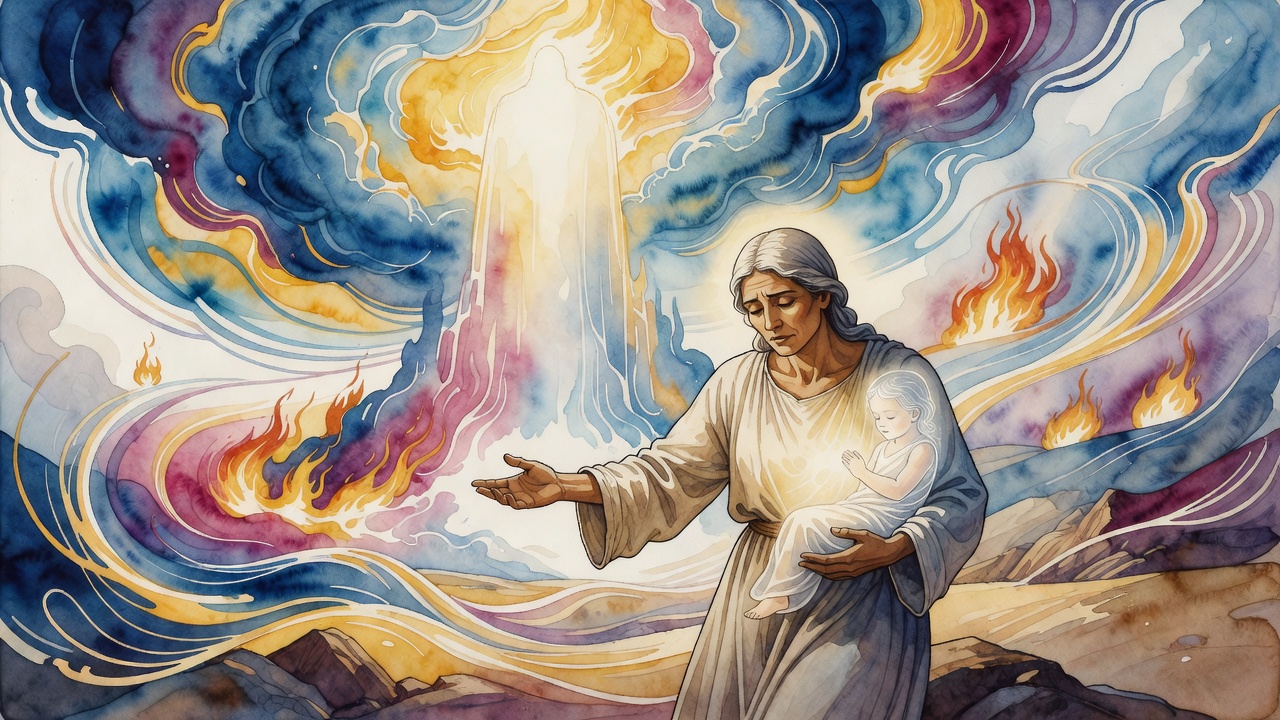
Sarah's body had finished hoping when the old sentence landed in her arms as a child. God finished words first spoken when inheritance still seemed lost.
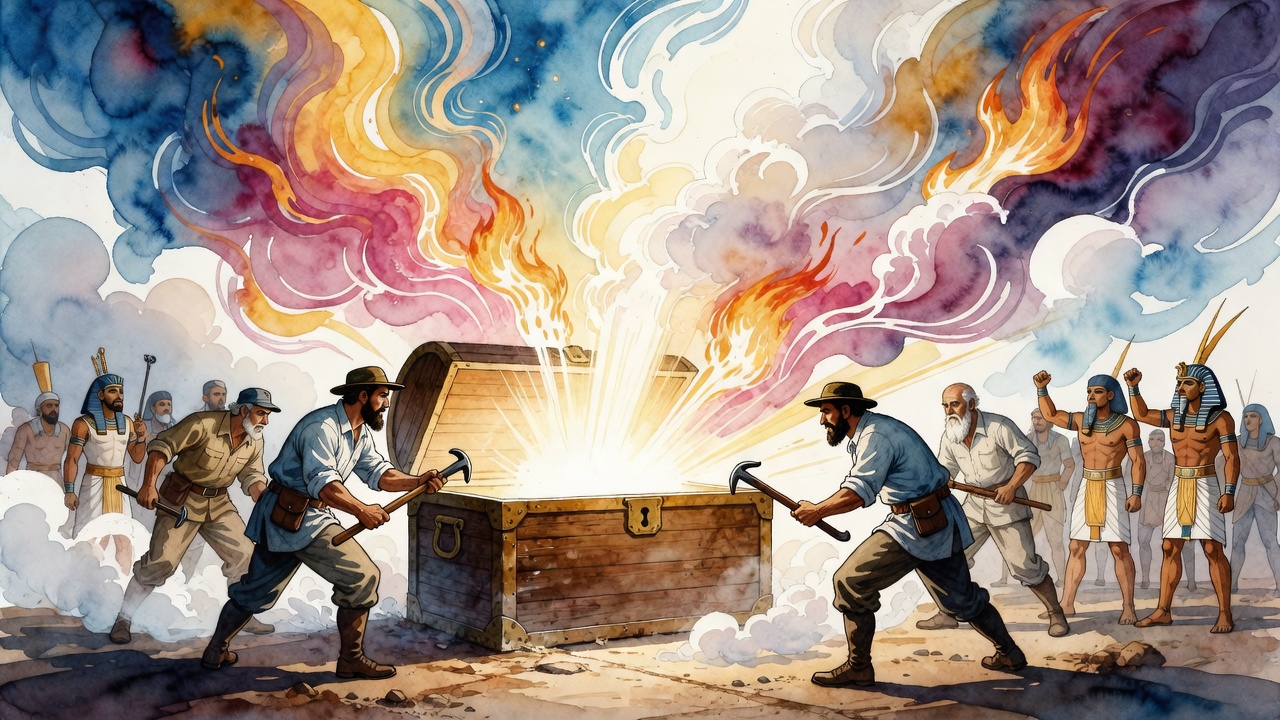
By nightfall Sarah was lying face down on the floor of Pharaoh's house, and an angel stood over the king with a whip, waiting for her to say the word.
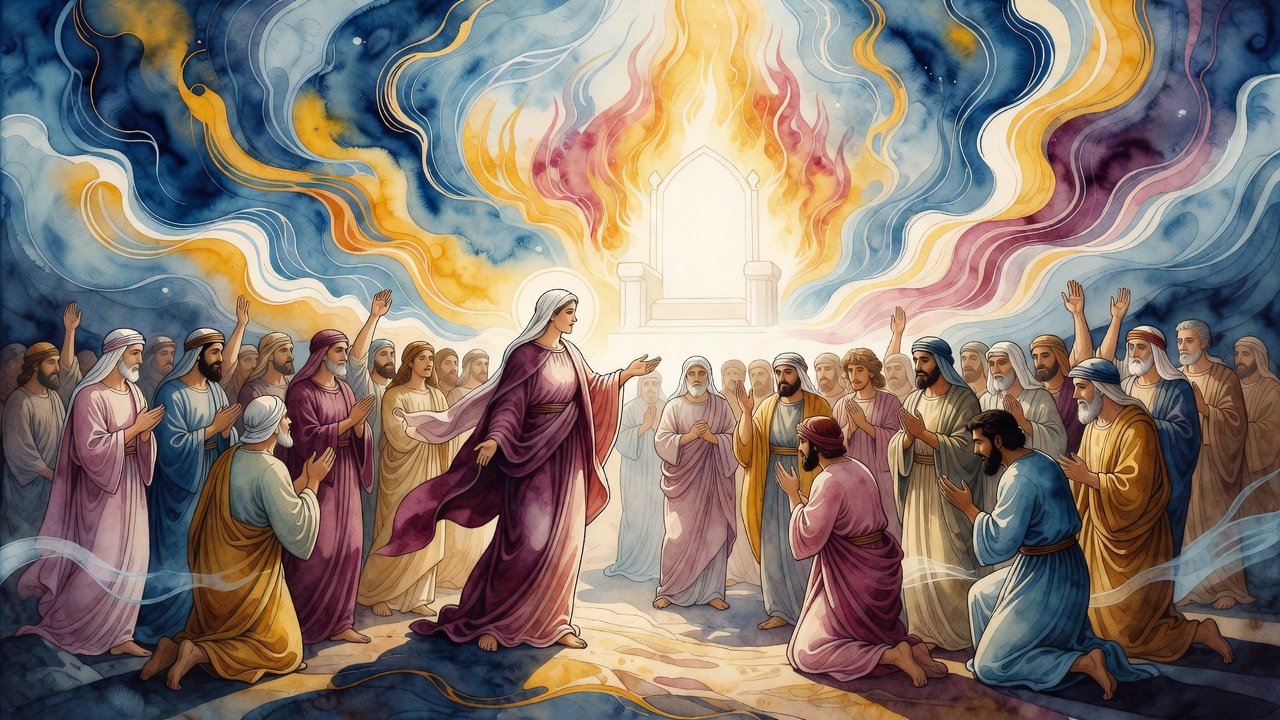
At the weaning feast the nations called Isaac a foundling. Sarah nursed every infant in the room, and the boy's face turned into Abraham's image.
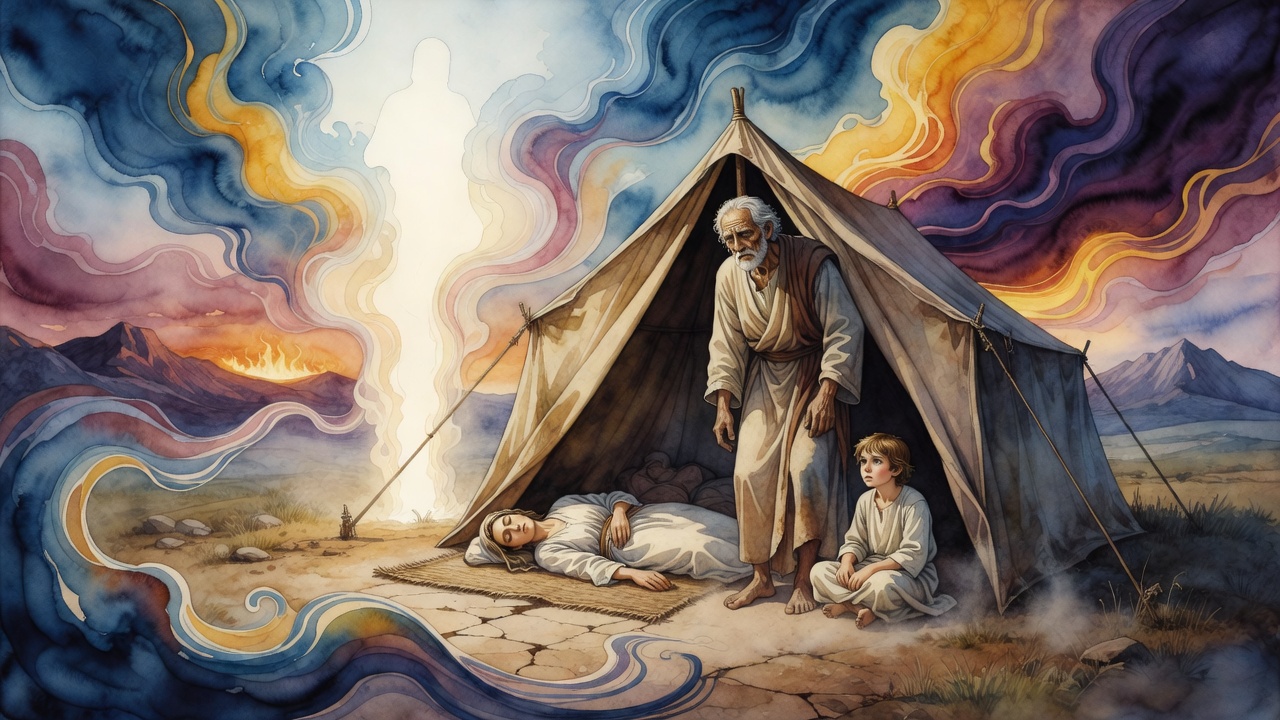
Abraham walked three days from the mountain of worship and reached the tent with a living son. Sarah did not rise to meet him.
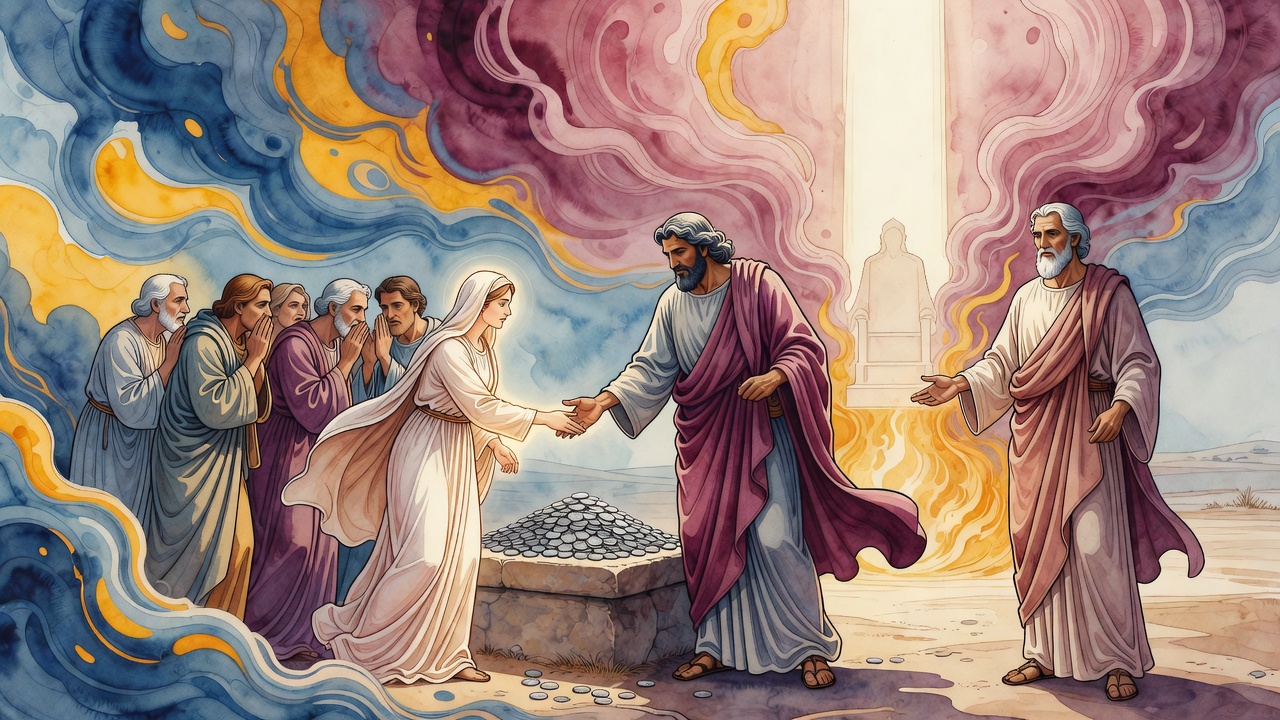
Sarah spent a night in the palace at Gerar. The king had not touched her, and he paid a thousand silver coins in public to stop the talk.
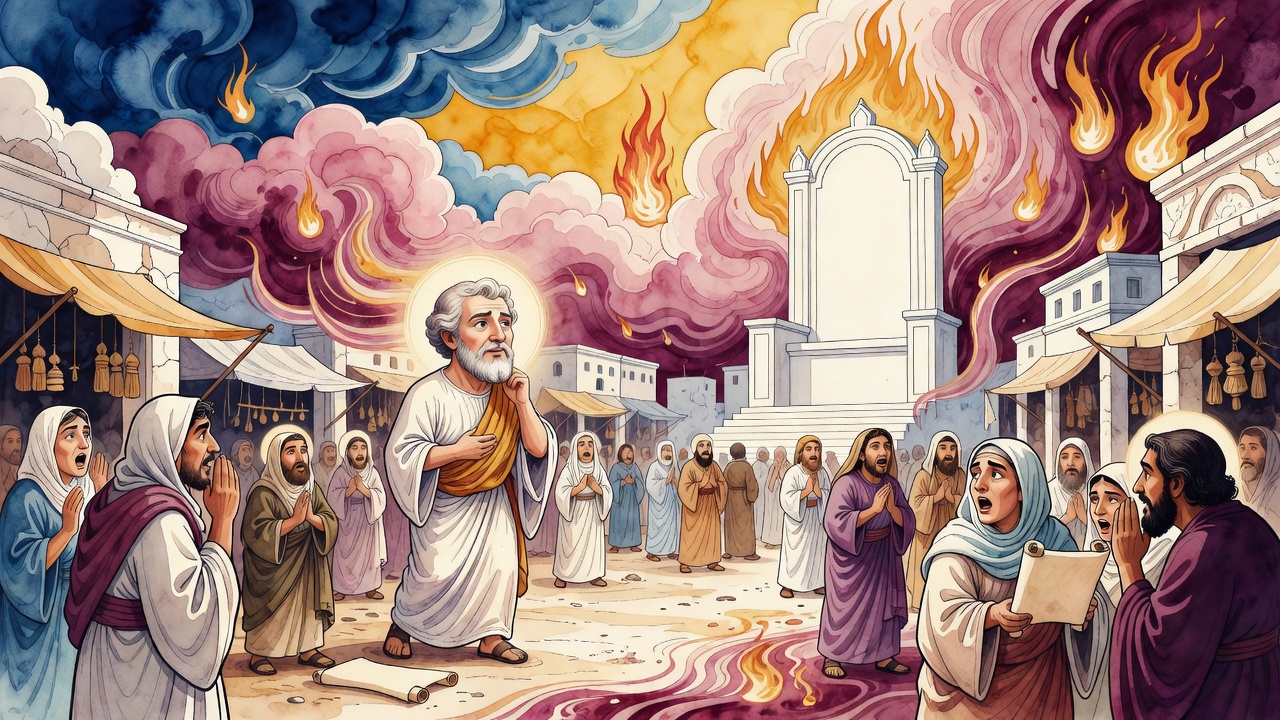
Villagers whispered that Abraham could not be the true father until Isaac's face grew into his mirror and the market fell quiet.
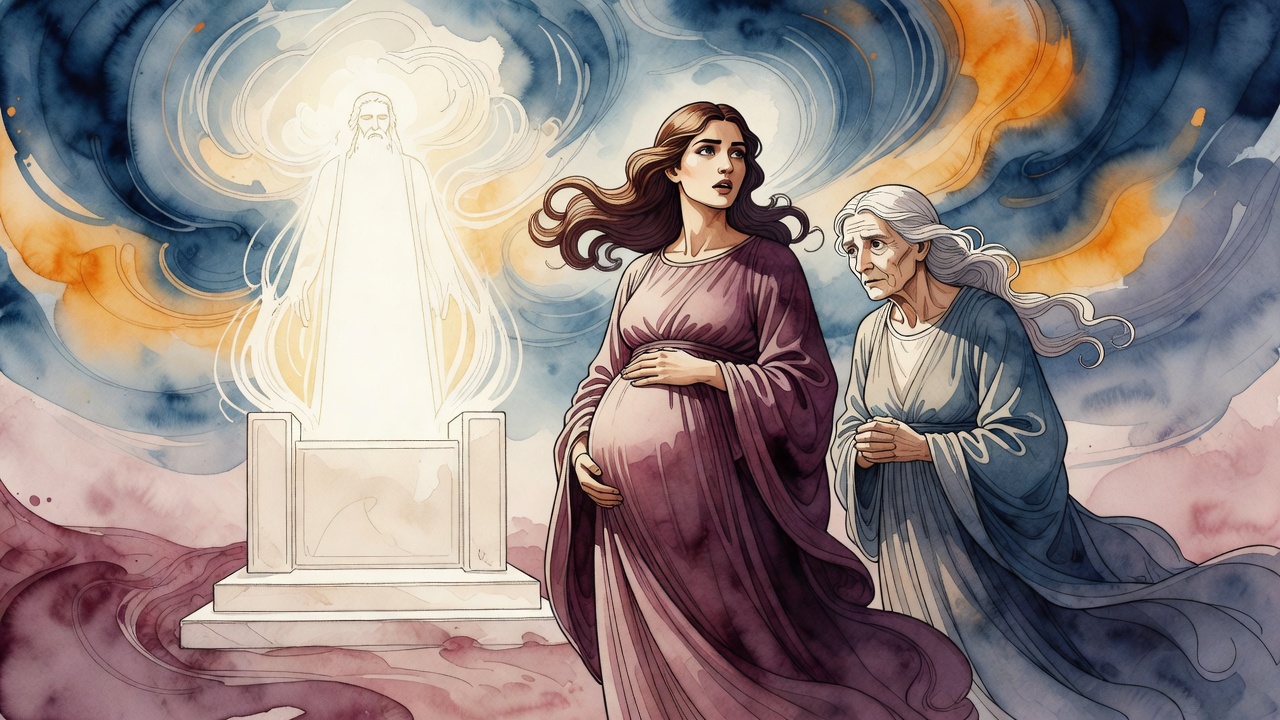
Hagar filled with child on the first night, then whispered that Sarah's piety was a sham, while the mistress had waited through ninety empty years.
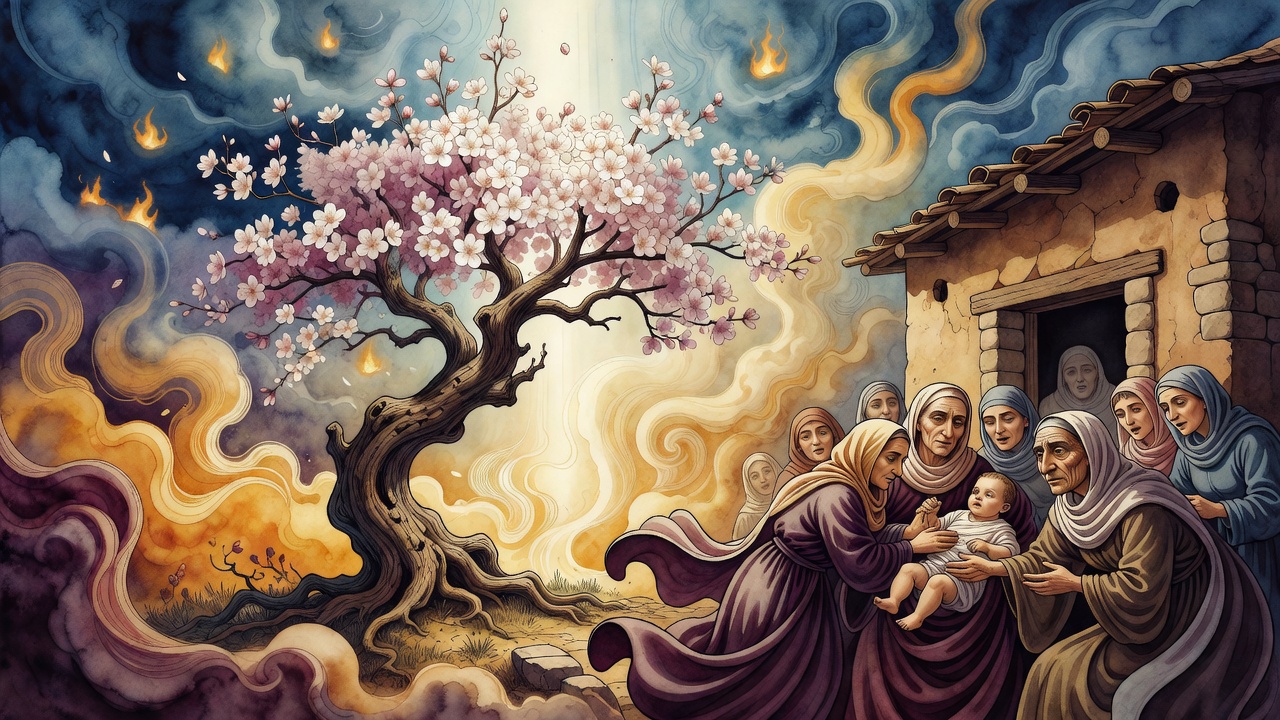
Sarah had been inside two foreign palaces, so the camp was ready to count months. Then Abraham lifted the boy up and everyone saw whose face he had.
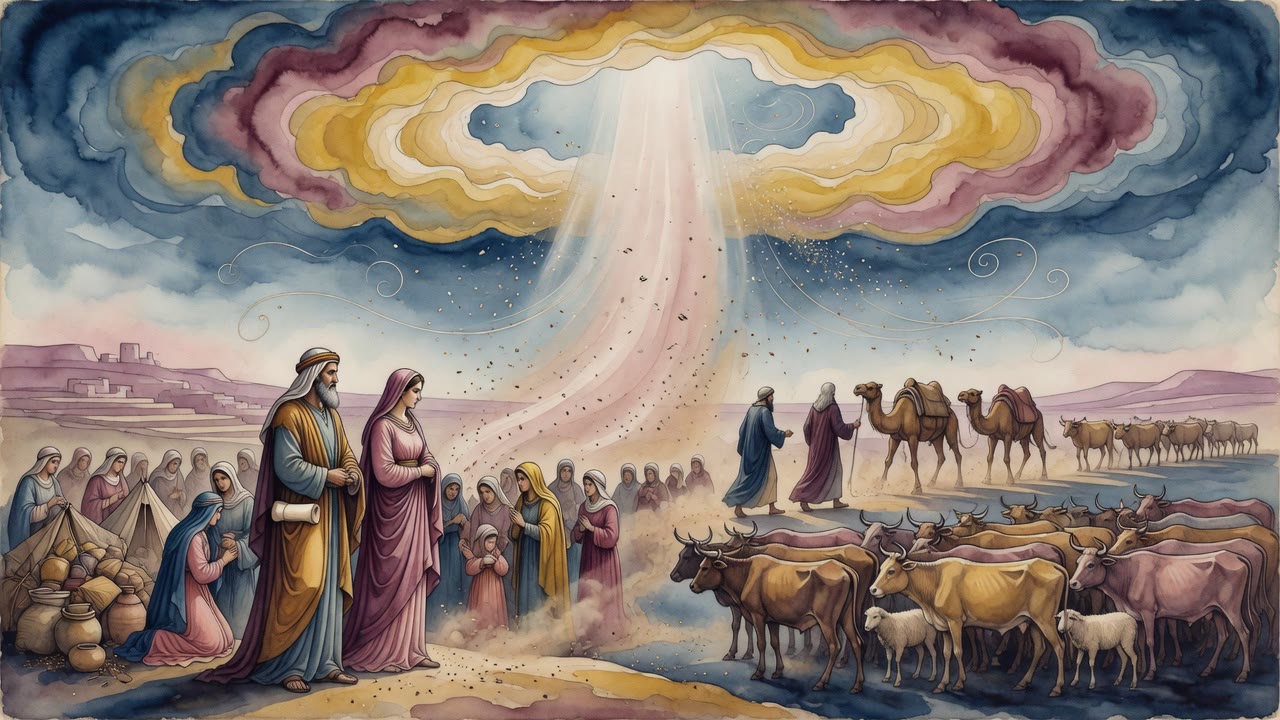
The tent flaps in Haran stayed open after dark. Guests left their household gods on the mats. Heaven stayed quiet until Lot packed his own tents.
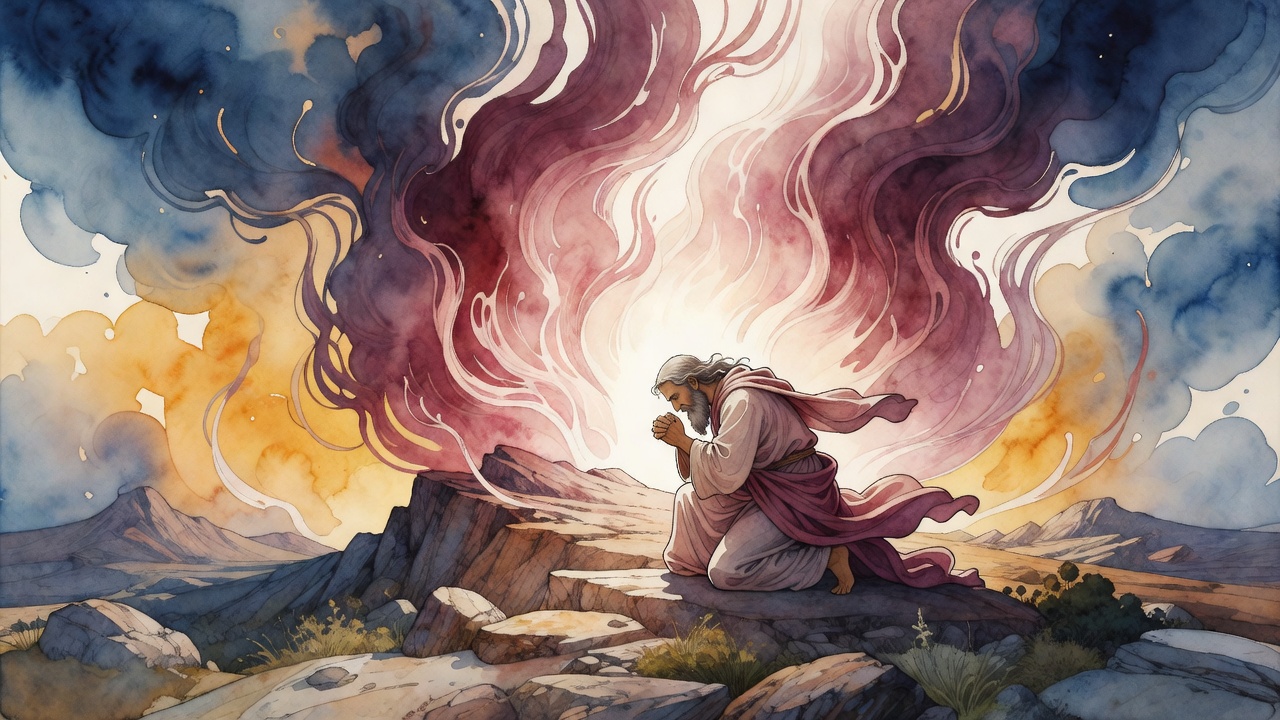
Egypt paid them in livestock and sent them north. Abram walked past every new hill and stopped at the old pile of stones between Bethel and Ai.
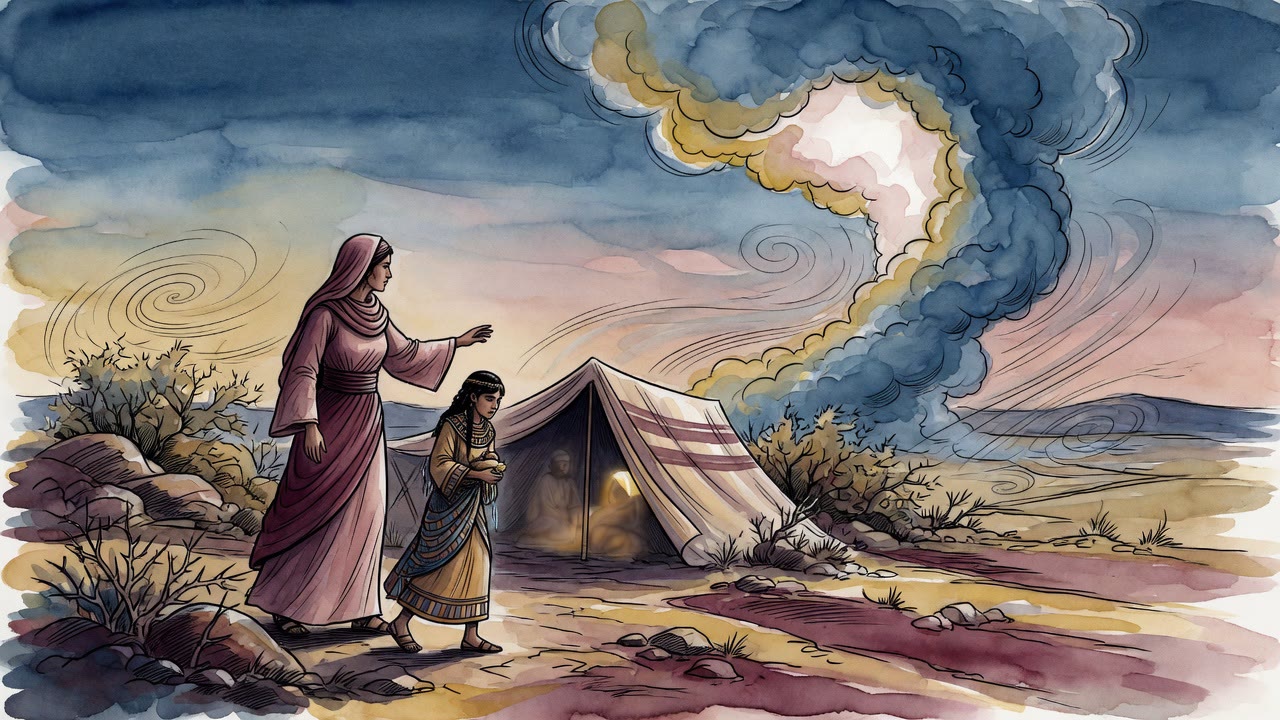
Ten years in Canaan, and the tent stayed quiet. Hagar left it pregnant, a free wife, walking into open country with no water arranged.
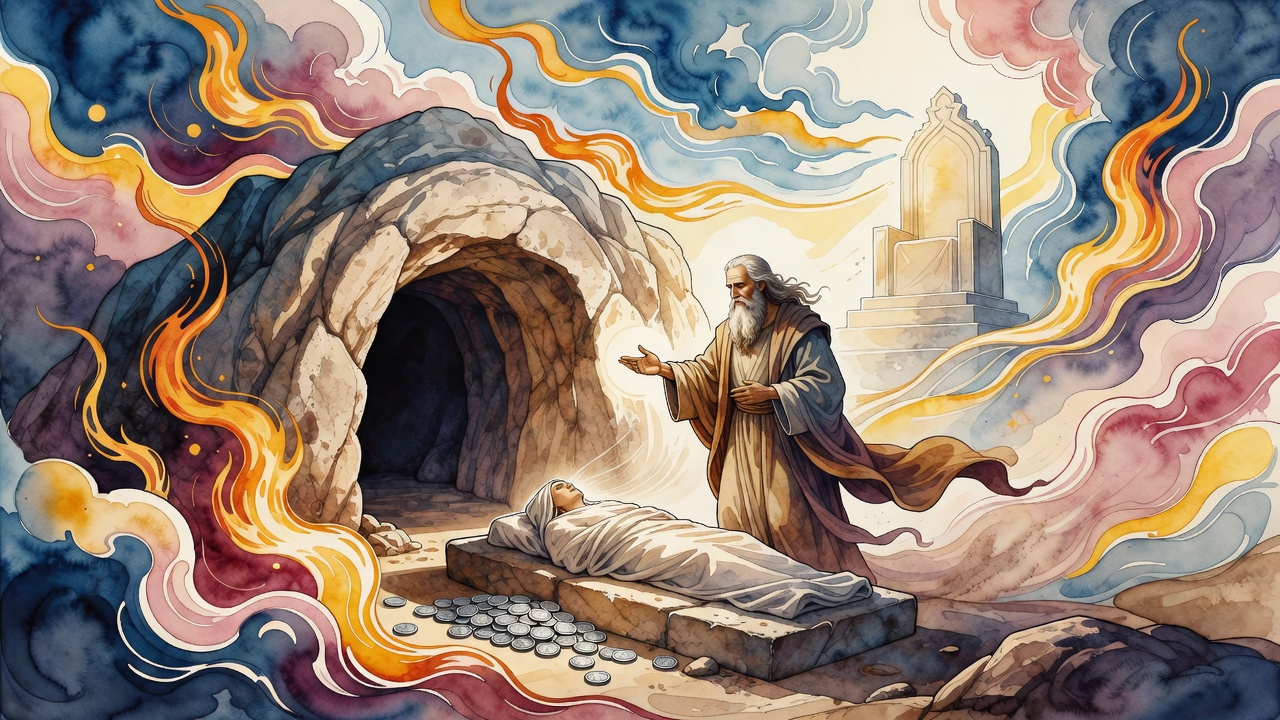
Over Sarah's body Abraham calls himself stranger and resident at once. He buys Machpelah for full silver, and four couples will sleep folded in its stone.
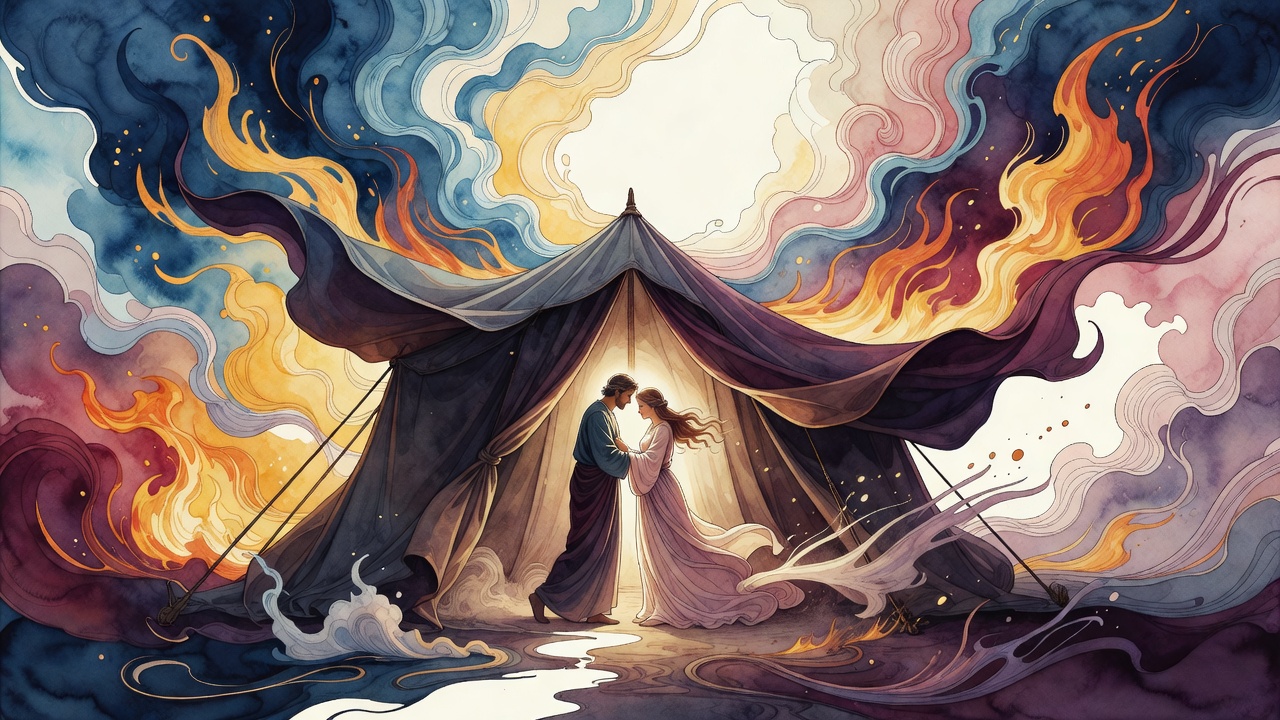
Three years after Sarah dies, Rebecca enters the tent and Isaac's mourning finally breaks. Love turns toward the wife while honor still climbs to the parents.
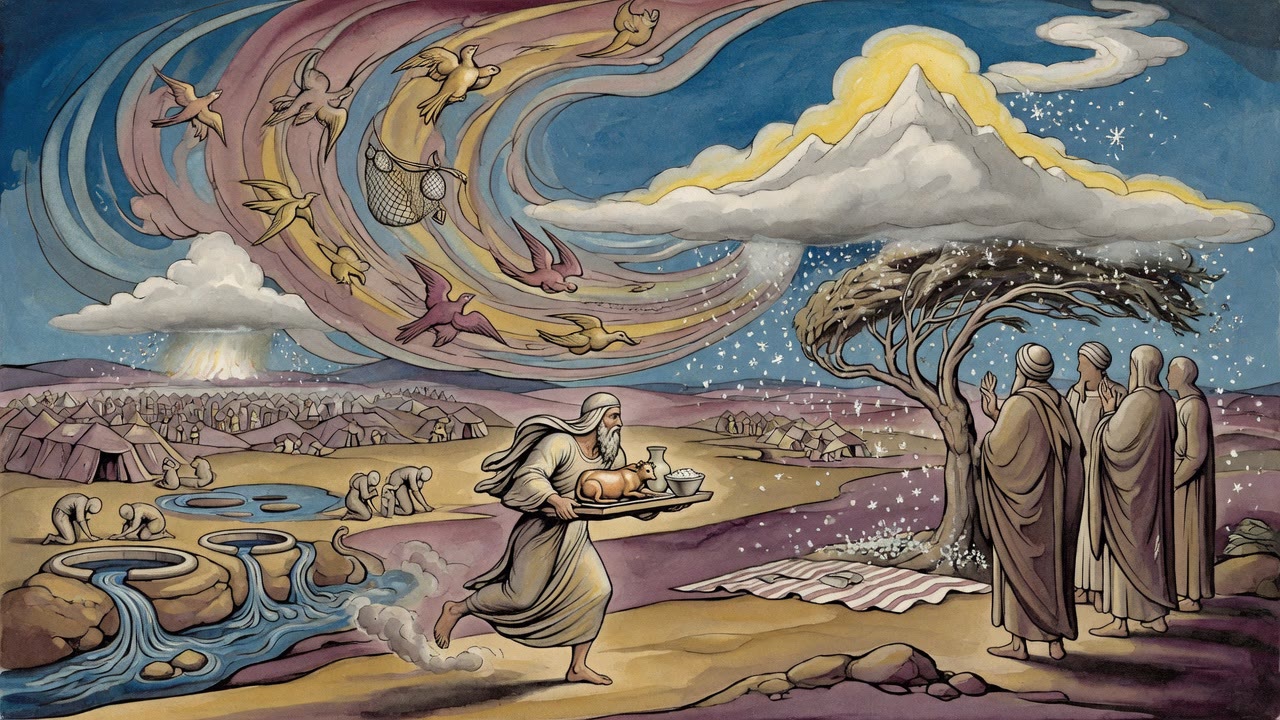
The morning they seated Lot on Sodom's high court, his four colleagues were named Chief of Lies, Chief Scoundrel, and worse. By dark, a mob had his door.
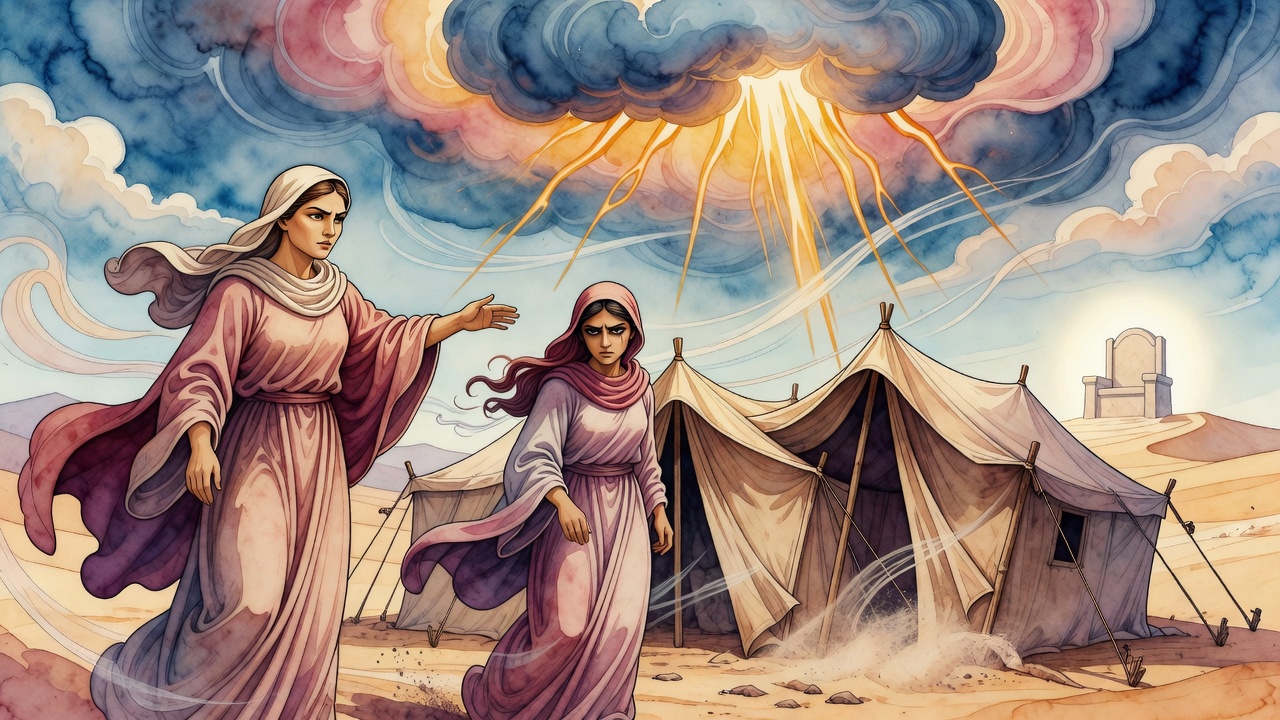
Hagar did not rise when Sarah entered the tent. The title wife still sat on Sarah. The look in the room did not.
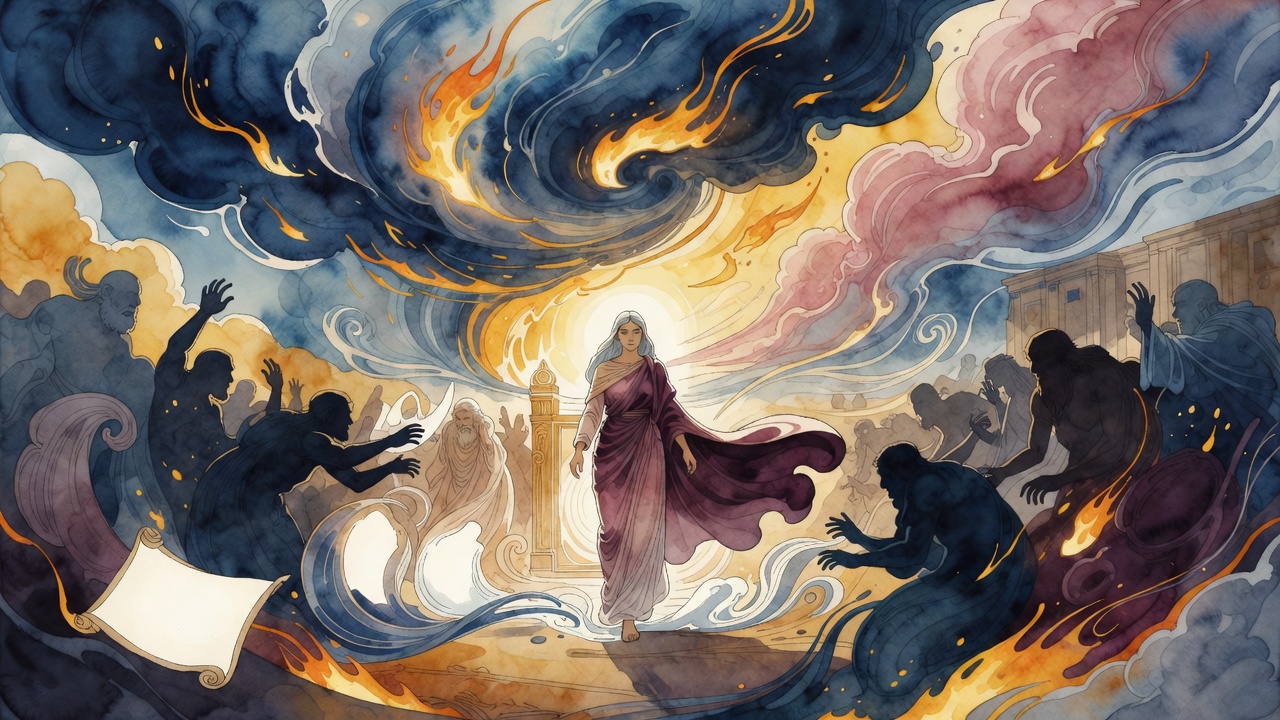
Abram pitched Sarai's tent before he pitched his own. Then the grain failed, and he asked her to tell the Egyptians she was his sister.
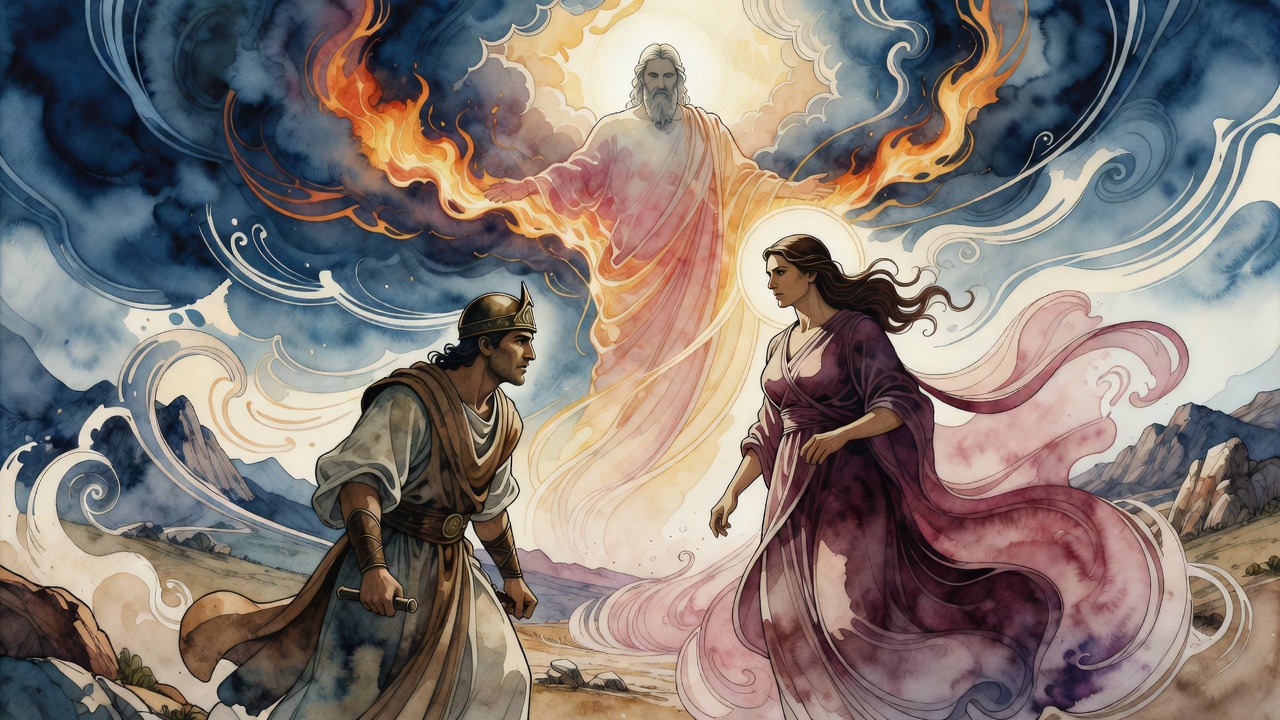
Barak refused to march unless Deborah went with him, and the prophetess warned that the day's glory would slip from his hands into a woman's.
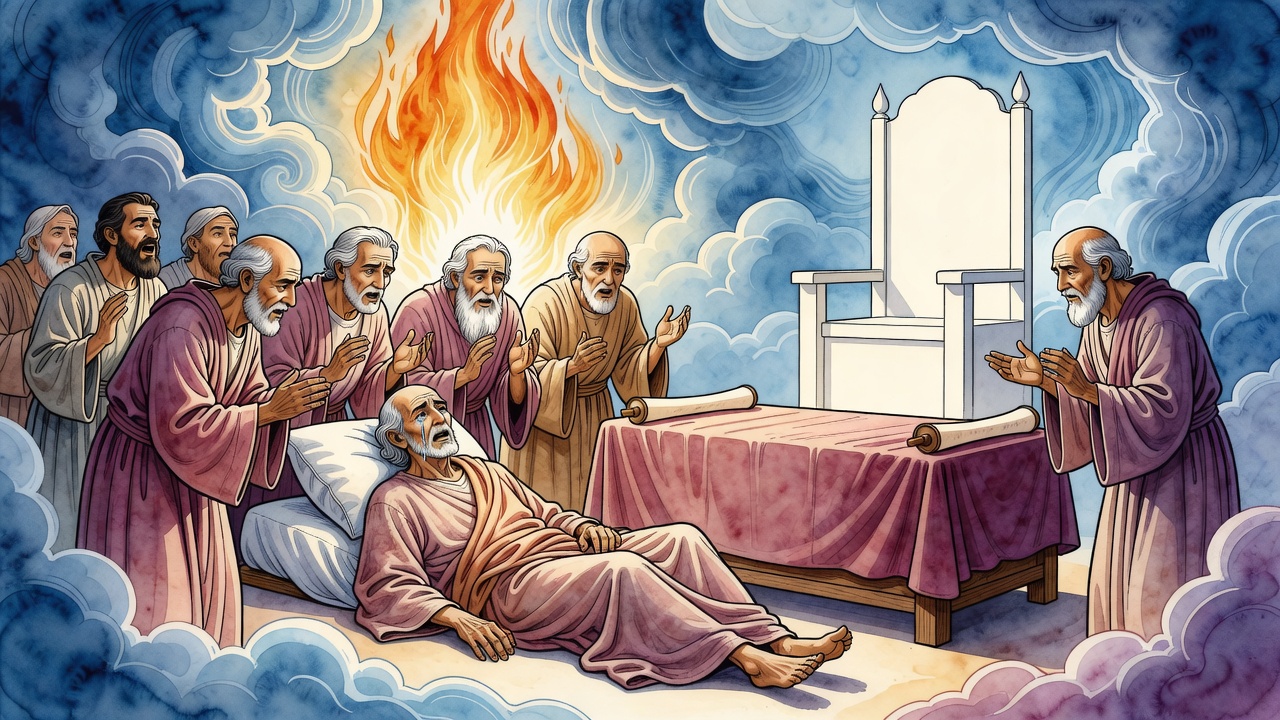
Rabbi Yochanan ben Zakkai wept on his deathbed while disciples begged a blessing, and Sarahs bier taught whom a eulogy truly honors.
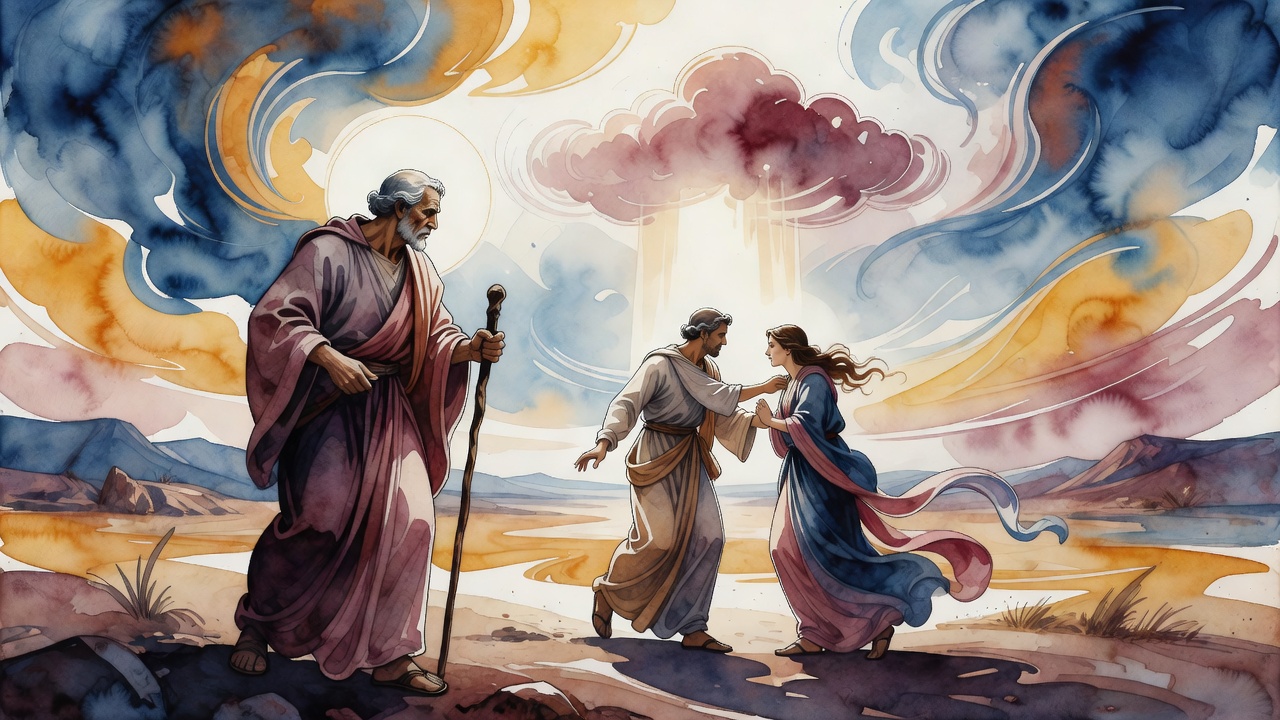
Years earlier a voice had woken the king in the night and called him a dead man over another man's wife. This time he did not reach for the woman.
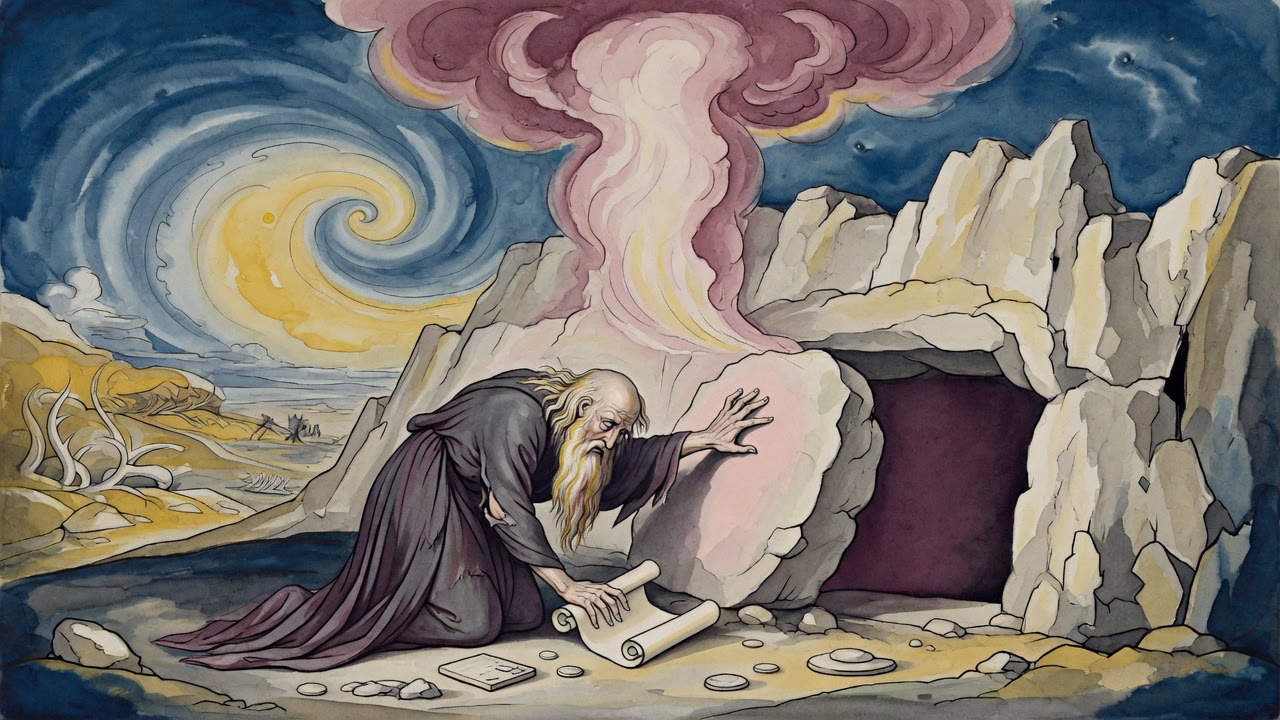
Sarah was in the cave. Abraham set the last stone and the years arrived. The first land he bought in the promise was her grave.
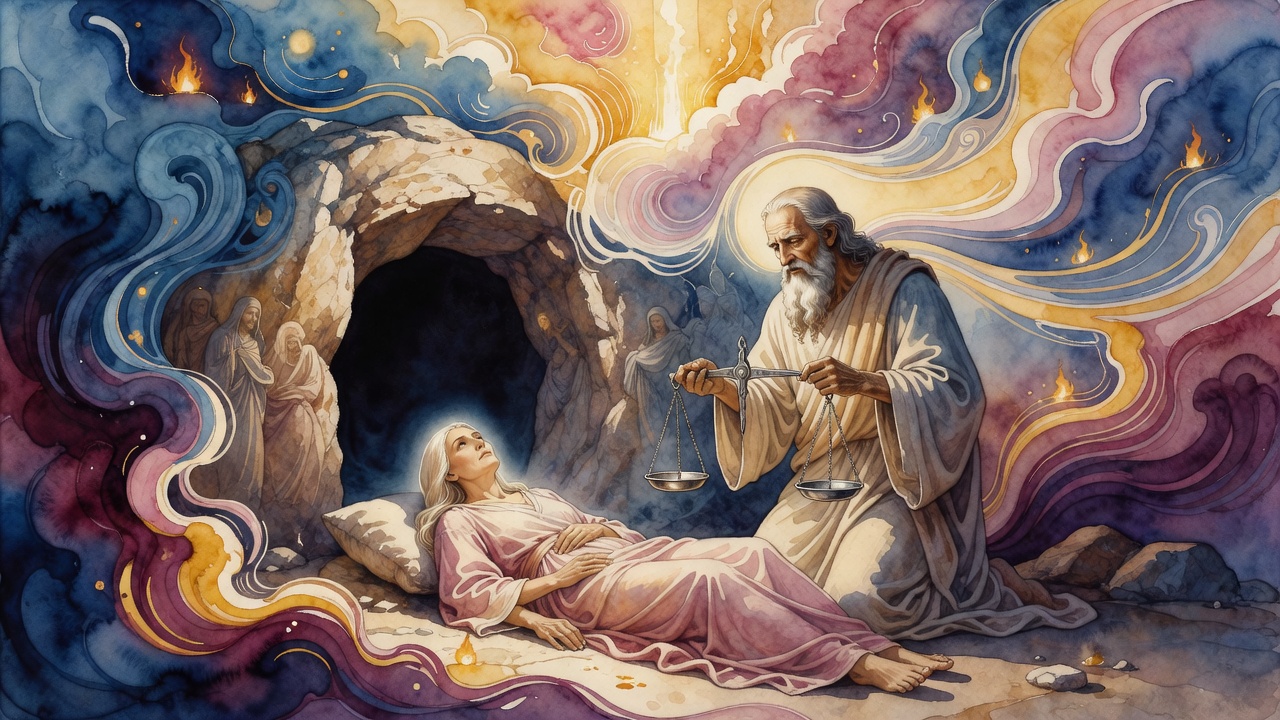
Ephron offered the cave as a gift. Abraham would not take it. A gift can be taken back. Silver stays in the deed.
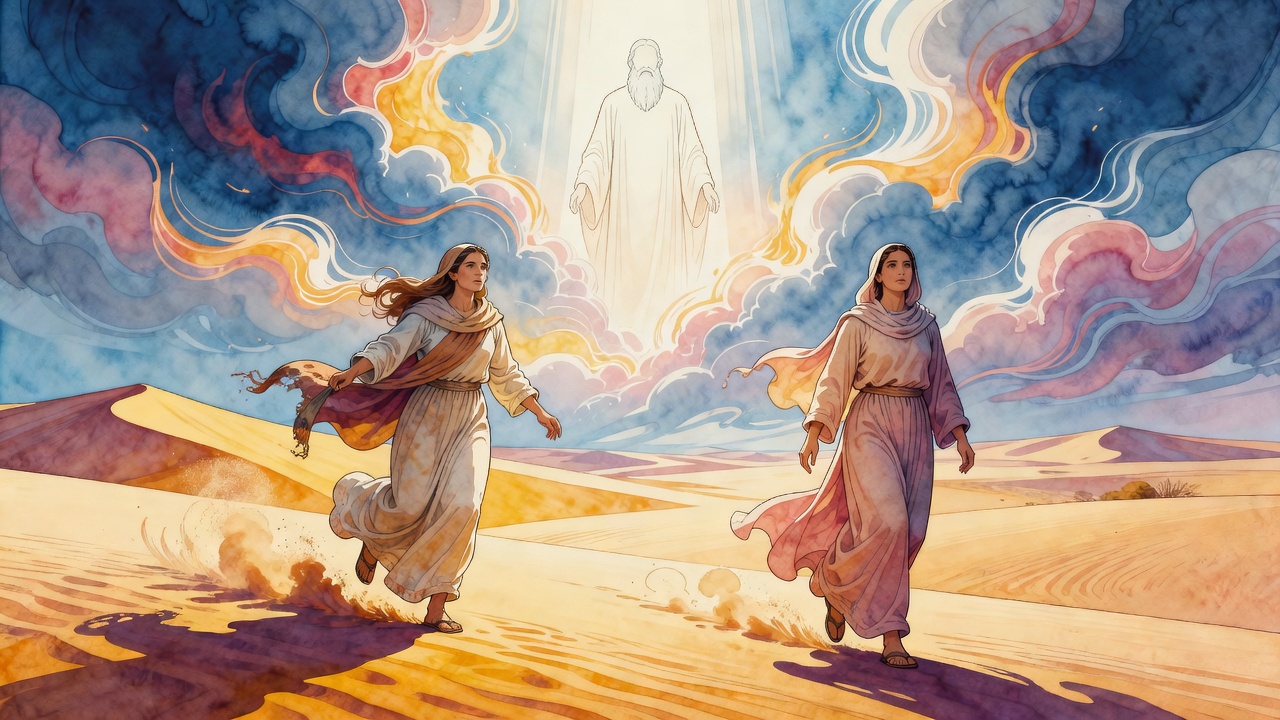
An angel found Hagar by a spring on the road to Shur and asked where she was going. The Torah gave a different servant a door that opens without a coin.
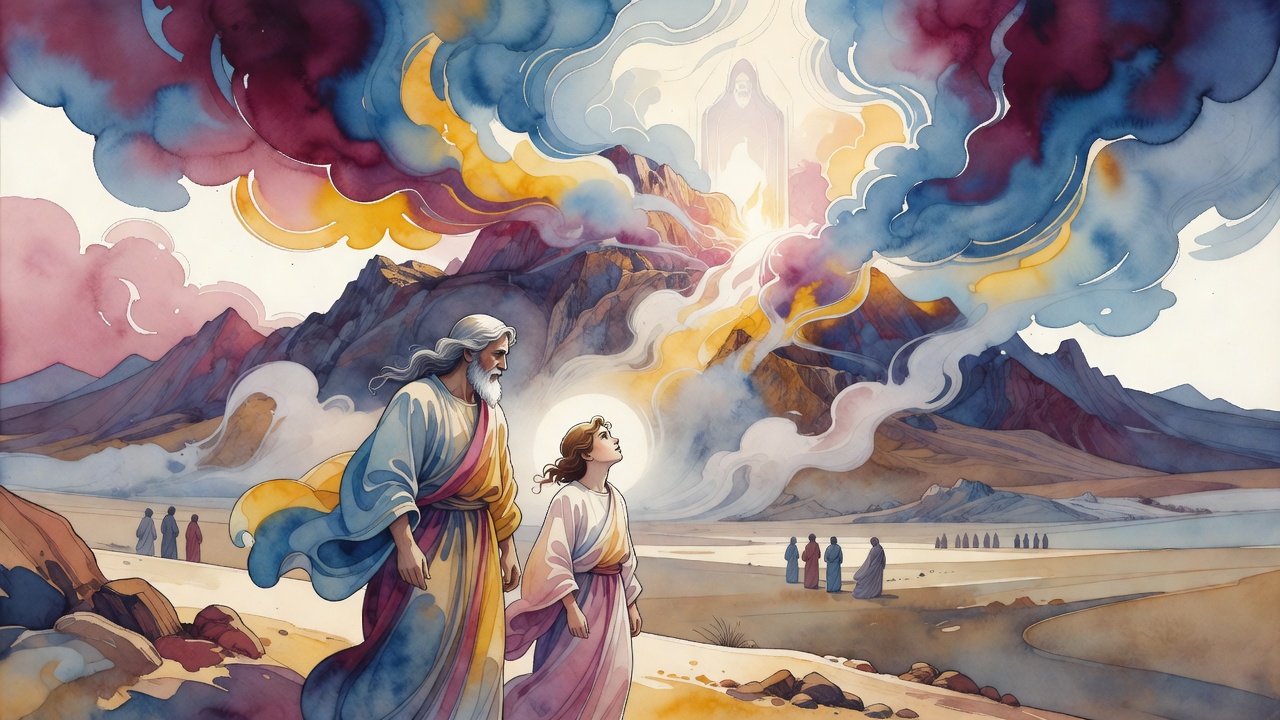
On the third day Abraham stopped and asked his son what he saw. Isaac named a mountain wrapped in cloud. The servants named only desert.
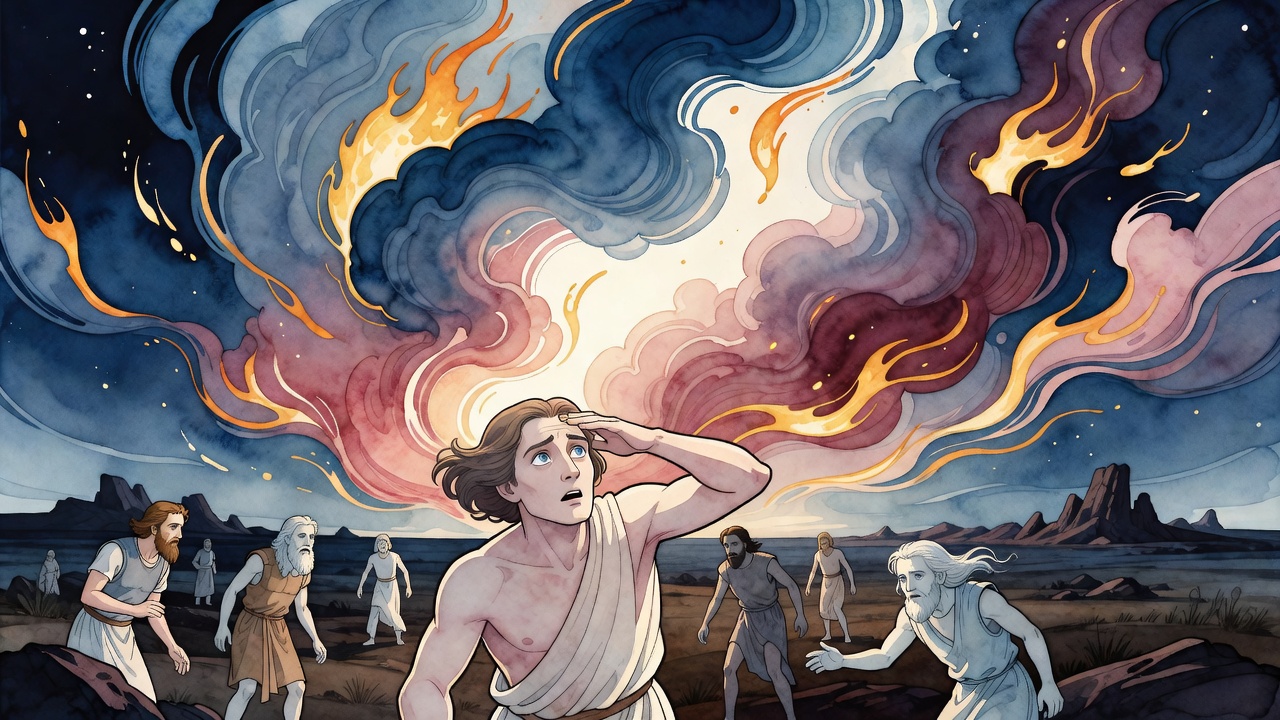
After the kings fled with Lot, Abram mustered pale disciples for a night war, then stood empty and afraid until God named himself a shield.
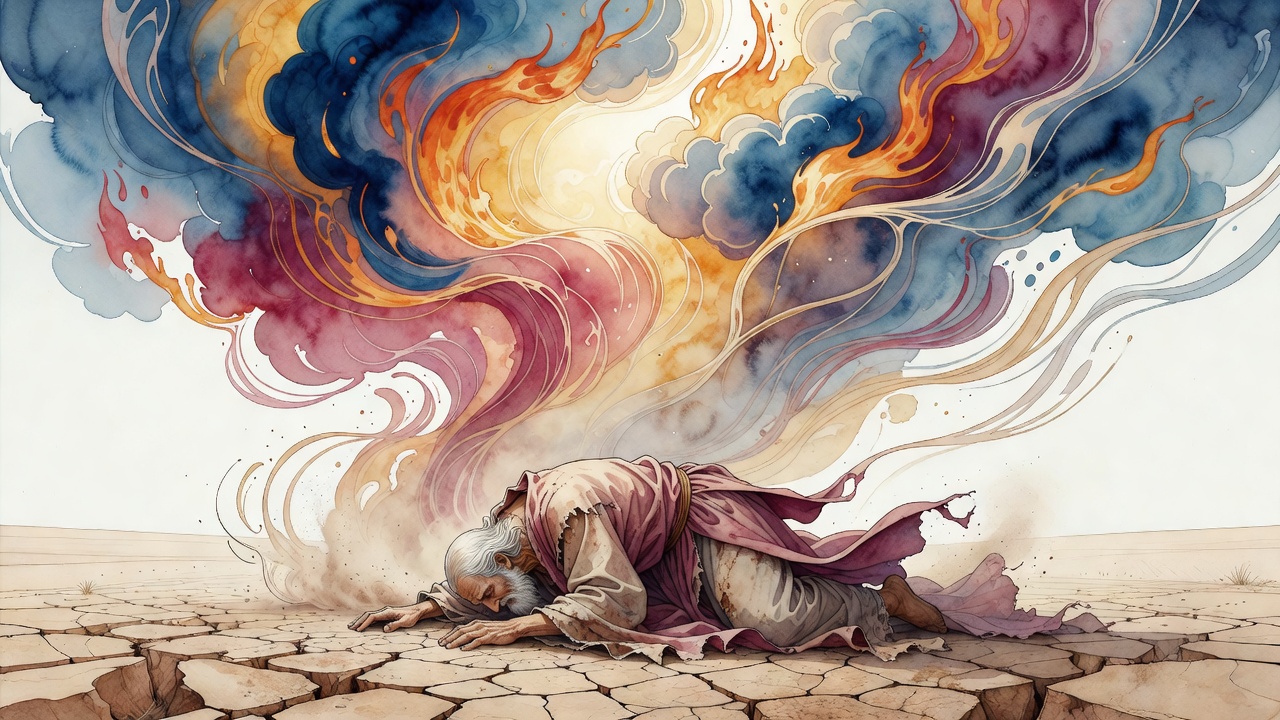
At ninety-nine he hit the dust while God named a son. The laugh stayed in his ribs. By night the tent smelled of blood and crushed herbs.
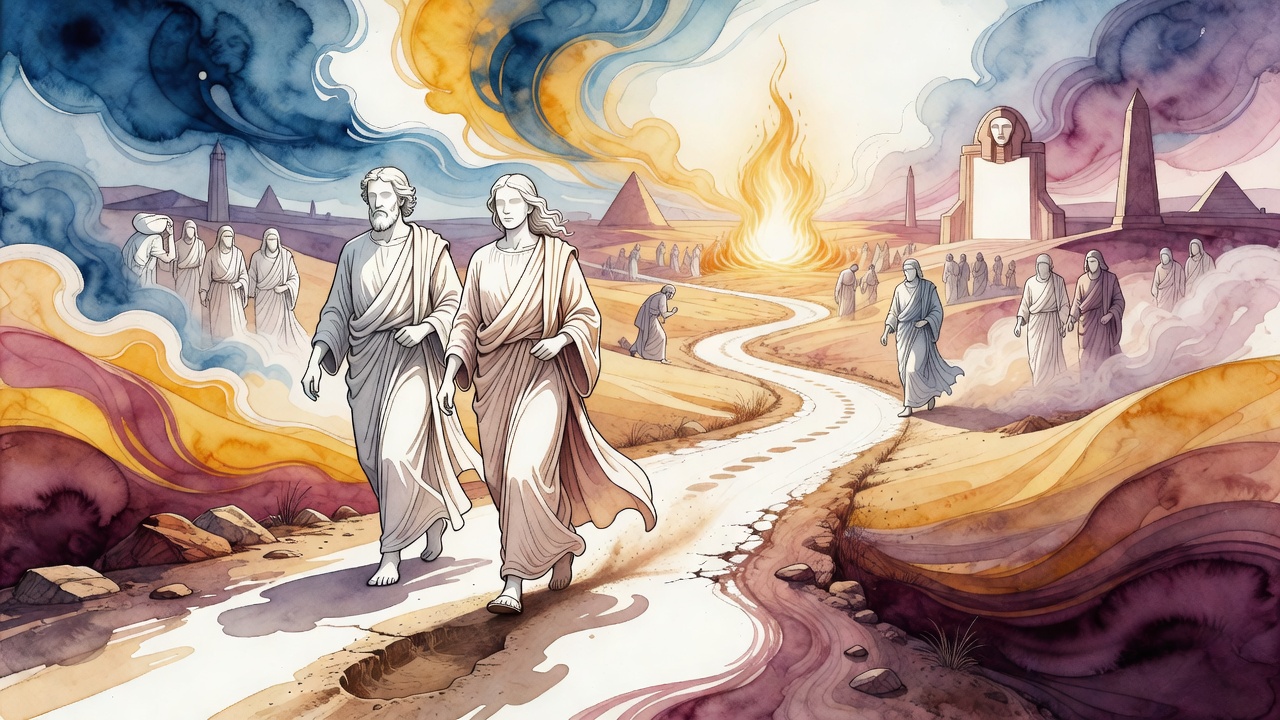
The flocks nosed empty troughs in Canaan. Abraham packed for Egypt, and Sarah walked beside him with a face that would catch a king's eye.
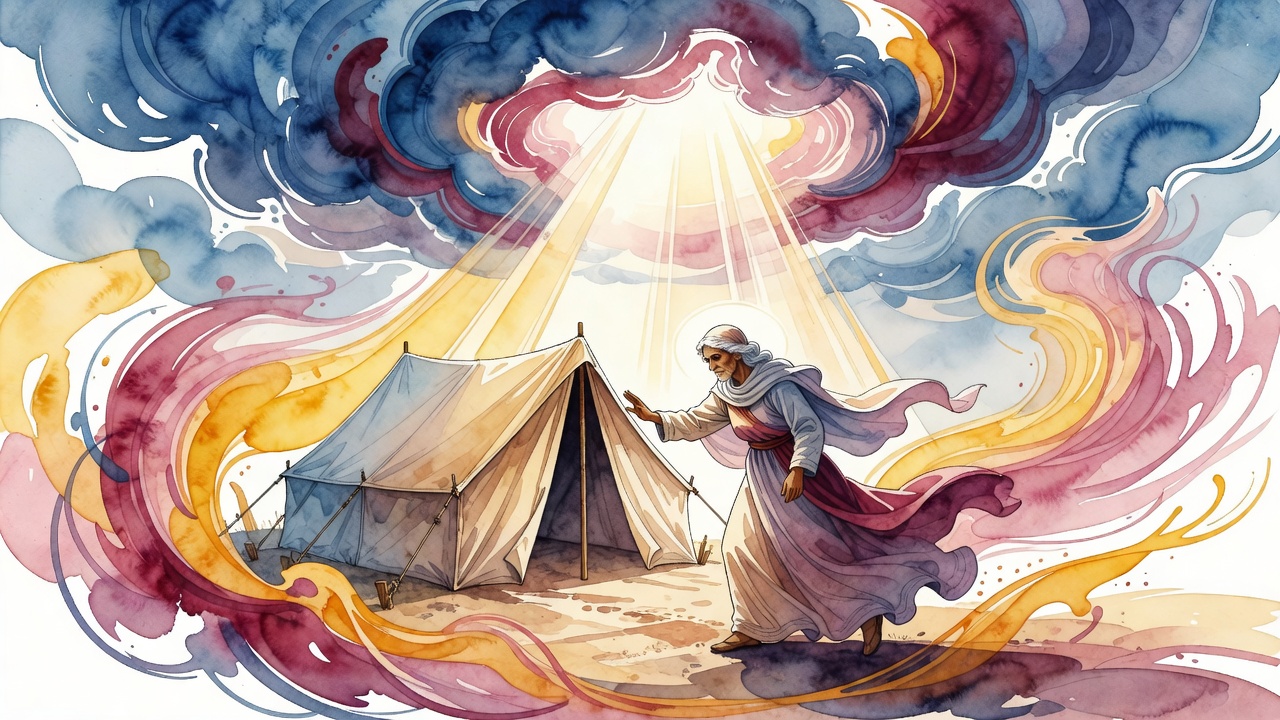
Sarah said the Lord had shut her up. Shut, not sealed over. Then she walked across the tent and put her Egyptian handmaid into her husband's hands.
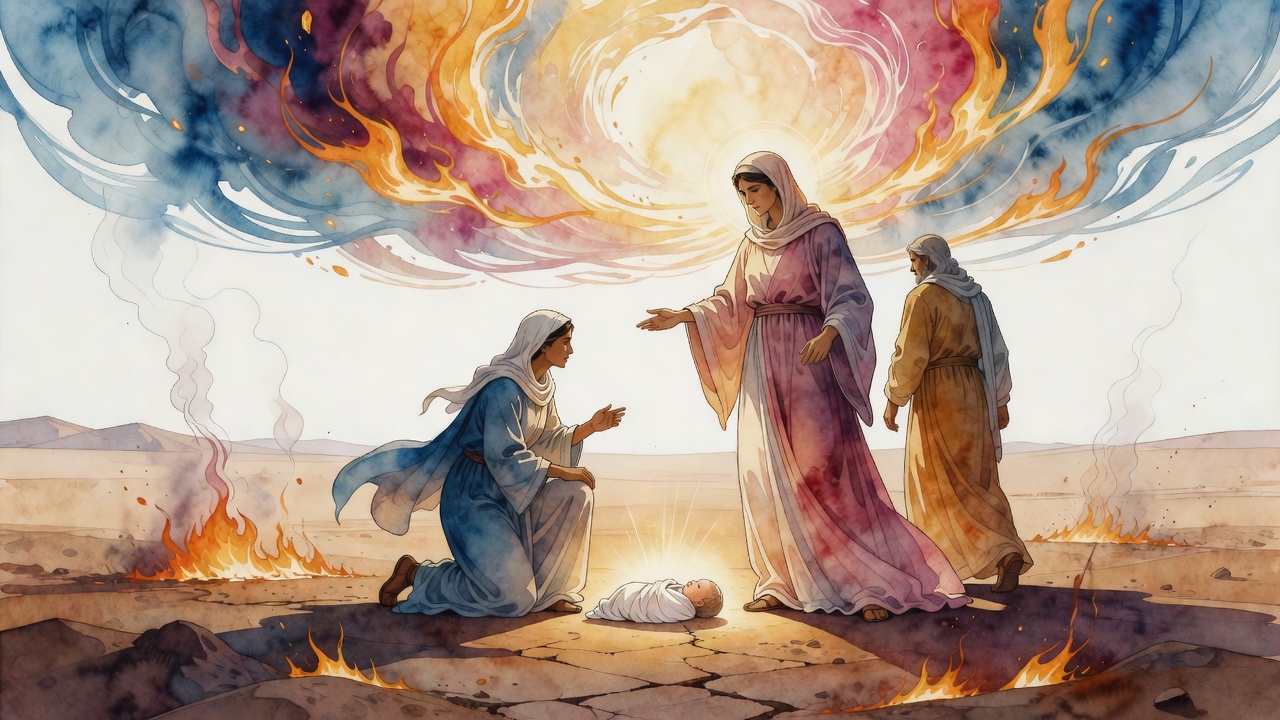
Sarah came into the tent hot. Abraham had the mother of his child under his roof and would not call her anything but his wife's handmaid.
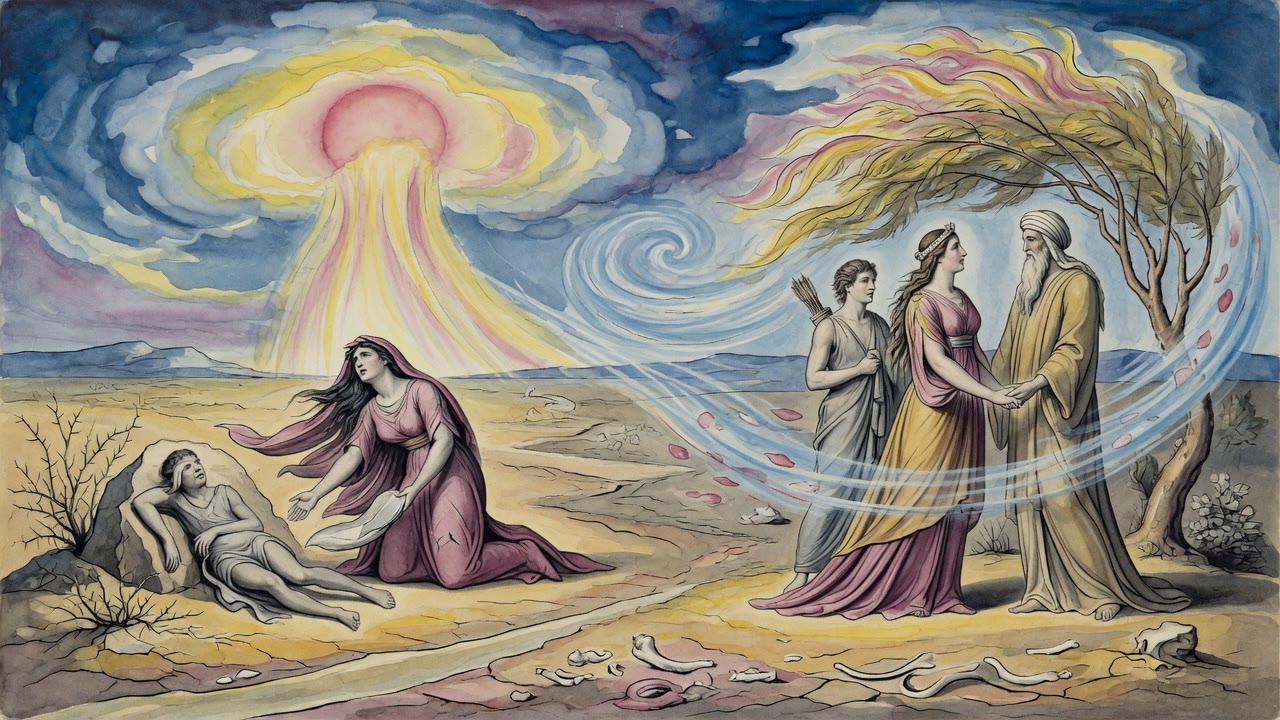
Sarah told Abraham to write a bill of divorce that would outlast the grave. After she was buried, he reached back for the woman he had sent into sand.
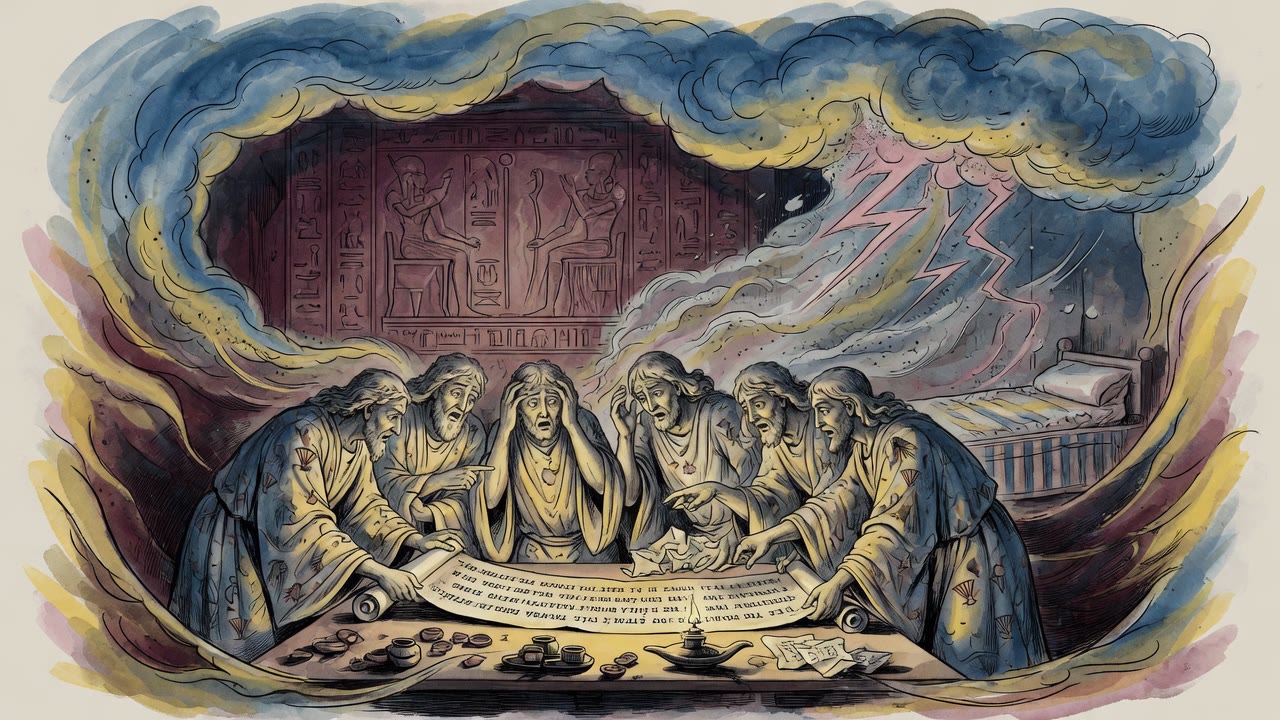
With Jacob buried, his sons feared Joseph's mercy died with him, so they forged a dying father's plea for their lives.
